Top 10 Benefits of Industrial Automation for Modern Manufacturing
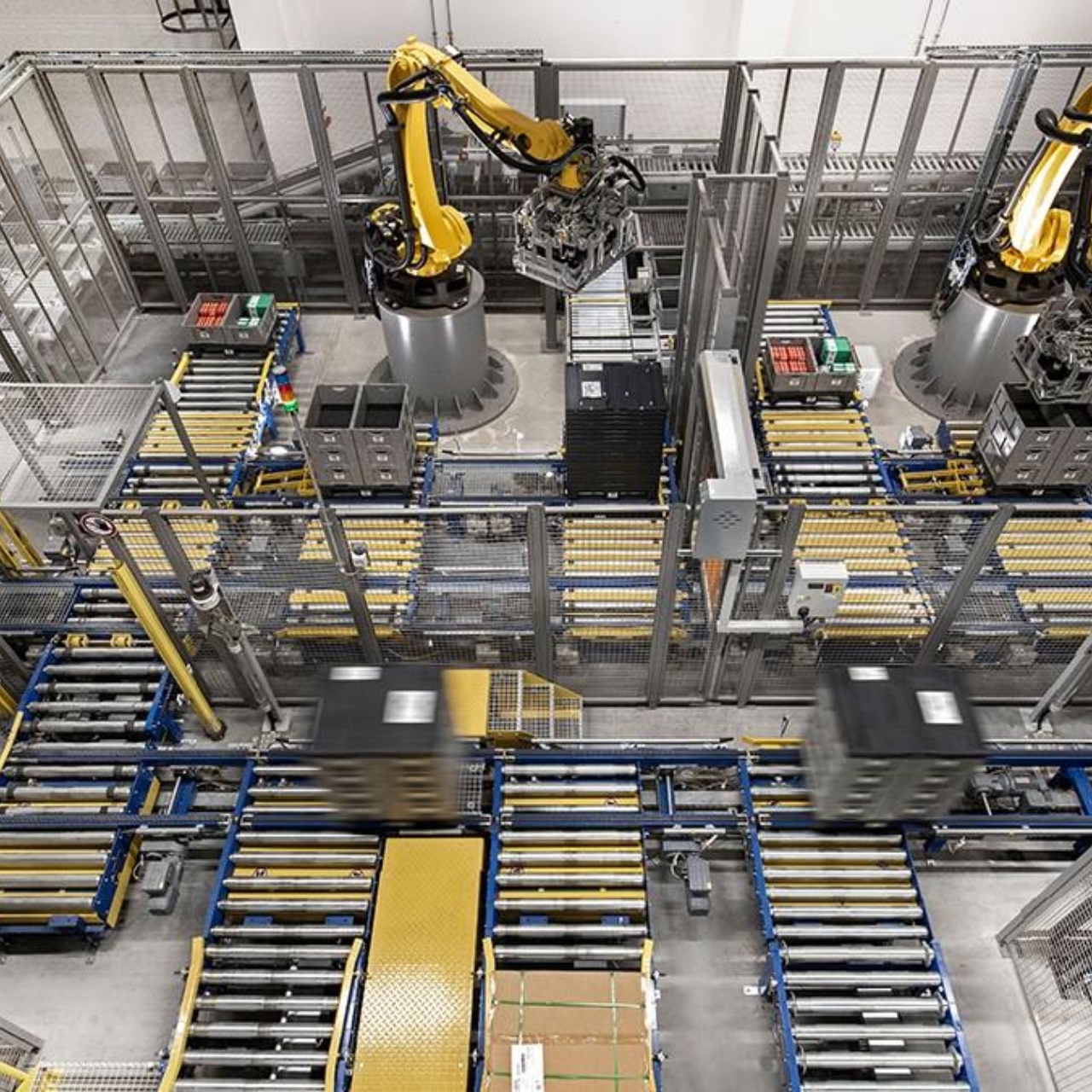
Top 10 Benefits of Industrial Automation for Modern Manufacturing
In today’s highly competitive manufacturing industry, businesses are under constant pressure to improve productivity, reduce operational costs, and maintain consistent product quality. One of the most effective ways to achieve these goals is through industrial automation.
Industrial automation uses technologies such as programmable logic controllers (PLCs), robotics, sensors, Industrial Internet of Things (IIoT), Artificial Intelligence (AI), and automated control systems to streamline manufacturing processes with minimal human intervention.
From automotive and pharmaceuticals to food processing and electronics, industrial automation is transforming factories into smart, efficient, and data-driven production facilities.
In this blog, we’ll explore the top 10 benefits of industrial automation and why it’s becoming an essential investment for modern manufacturers.
What is Industrial Automation?
Industrial automation is the use of control systems, software, robotics, and intelligent machines to automate manufacturing and industrial processes. It replaces repetitive manual tasks with automated operations that improve efficiency, accuracy, and consistency.
Common automation technologies include:
- PLC (Programmable Logic Controllers)
- SCADA Systems
- Industrial Robotics
- HMI (Human Machine Interface)
- Sensors and Actuators
- Automated Conveyor Systems
- Industrial IoT (IIoT)
- Artificial Intelligence (AI)
These technologies work together to create highly efficient production environments.
Top 10 Benefits of Industrial Automation
1. Increased Productivity
Automation enables machines to operate continuously with minimal downtime, significantly increasing production capacity.
Advantages:
- Faster production cycles
- 24/7 operation
- Reduced idle time
- Higher output
Manufacturers can meet growing customer demand without proportionally increasing labor costs.
2. Improved Product Quality
Automated systems perform repetitive tasks with exceptional consistency, minimizing human errors and ensuring every product meets quality standards.
Benefits include:
- Uniform production
- Consistent dimensions
- Reduced defects
- Better customer satisfaction
Quality control systems can also detect defects in real time, preventing faulty products from reaching customers.
3. Lower Operating Costs
Although automation requires an initial investment, it significantly reduces long-term operating expenses.
Automation helps reduce:
- Labor costs
- Material waste
- Machine downtime
- Rework
- Maintenance expenses
This results in improved profitability over time.
4. Enhanced Workplace Safety
Many industrial processes involve hazardous environments, heavy machinery, high temperatures, or dangerous chemicals.
Automation improves safety by allowing robots and automated systems to perform risky tasks instead of human workers.
Examples include:
- Welding
- Chemical handling
- Heavy lifting
- High-temperature operations
- Material transportation
This reduces workplace accidents and improves employee safety.
5. Greater Precision and Accuracy
Industrial automation ensures components are manufactured with high precision and repeatability.
Applications requiring extreme accuracy include:
- CNC machining
- Electronic assembly
- Pharmaceutical production
- Aerospace manufacturing
Precise automation reduces dimensional errors and improves product reliability.
6. Reduced Material Waste
Automated systems optimize material usage by controlling production processes with greater accuracy.
Benefits include:
- Efficient raw material utilization
- Lower scrap rates
- Reduced production costs
- Environmentally friendly manufacturing
Less waste also supports sustainability initiatives.
7. Real-Time Monitoring and Data Analysis
Modern automation systems collect valuable production data through sensors and connected devices.
Manufacturers can monitor:
- Machine performance
- Production speed
- Energy consumption
- Equipment health
- Product quality
- Downtime causes
Real-time insights help businesses make faster and more informed decisions.
8. Predictive Maintenance
Traditional maintenance often follows fixed schedules or reacts to equipment failures. Industrial automation introduces predictive maintenance by using sensors and analytics to monitor machine health.
Advantages include:
- Early fault detection
- Reduced unexpected breakdowns
- Longer equipment lifespan
- Lower maintenance costs
- Increased equipment availability
Predictive maintenance helps maximize productivity while minimizing disruptions.
9. Improved Flexibility and Scalability
Automated production lines can be quickly adjusted to manufacture different products or adapt to changing market demands.
Manufacturers can:
- Increase production capacity
- Introduce new product lines
- Customize products
- Respond faster to customer requirements
This flexibility gives businesses a competitive advantage.
10. Better Energy Efficiency
Modern automation systems optimize machine operations, reducing unnecessary energy consumption.
Energy-saving features include:
- Automatic shutdown during idle periods
- Optimized motor control
- Smart power management
- Efficient production scheduling
Lower energy usage reduces operating costs and supports sustainable manufacturing.
Industries That Benefit from Industrial Automation
Industrial automation is widely adopted across various sectors.
Automotive Industry
- Robotic welding
- Automated assembly
- Paint systems
- Quality inspection
Food & Beverage
- Packaging
- Filling systems
- Sorting
- Labeling
Pharmaceutical Industry
- Sterile production
- Packaging
- Quality control
- Batch processing
Electronics Manufacturing
- PCB assembly
- Component placement
- Testing
- Inspection
Metal Fabrication
- Laser cutting
- CNC machining
- Robotic welding
- Material handling
Logistics and Warehousing
- Automated storage systems
- Conveyor networks
- Robotic picking
- Inventory management
Key Technologies Driving Industrial Automation
Modern factories rely on advanced technologies to improve efficiency and performance.
- Industrial Robotics
- PLC Systems
- SCADA Software
- Human Machine Interface (HMI)
- Industrial Internet of Things (IIoT)
- Artificial Intelligence (AI)
- Machine Vision Systems
- Automated Guided Vehicles (AGVs)
- Digital Twin Technology
- Cloud-Based Manufacturing Platforms
Together, these technologies create intelligent and connected production environments.
Challenges of Industrial Automation
While automation offers numerous advantages, businesses should also consider:
- High initial investment
- Skilled workforce requirements
- Integration with existing systems
- Cybersecurity concerns
- Employee training
- Ongoing software and hardware updates
Proper planning and implementation can help overcome these challenges.
Future Trends in Industrial Automation
The future of manufacturing is becoming increasingly connected and intelligent.
Artificial Intelligence Integration
AI will improve process optimization, quality inspection, and predictive analytics.
Industry 4.0
Smart factories will use interconnected machines and real-time communication for seamless production.
Collaborative Robots (Cobots)
Cobots will safely work alongside human operators, enhancing productivity without replacing skilled workers.
Digital Twins
Virtual replicas of machines and production systems will enable simulation, monitoring, and optimization before changes are made on the factory floor.
Sustainable Manufacturing
Automation will continue to reduce waste, improve energy efficiency, and support environmentally responsible production practices.
Frequently Asked Questions (FAQs)
What is industrial automation?
Industrial automation is the use of advanced technologies such as robotics, PLCs, sensors, and software to automate manufacturing processes, improve efficiency, and reduce manual intervention.
What are the biggest benefits of industrial automation?
The major benefits include increased productivity, improved quality, enhanced safety, reduced operating costs, better energy efficiency, and real-time production monitoring.
Which industries use industrial automation?
Industries such as automotive, aerospace, pharmaceuticals, electronics, food processing, metal fabrication, logistics, and manufacturing widely use industrial automation.
Is industrial automation expensive?
While the initial investment can be significant, automation often delivers long-term savings through higher productivity, reduced waste, lower maintenance costs, and improved operational efficiency.
What is the future of industrial automation?
The future includes AI-powered manufacturing, Industry 4.0, collaborative robots, digital twins, predictive maintenance, and smart factories that use connected systems for optimized production.
Conclusion
Industrial automation has become a cornerstone of modern manufacturing, enabling businesses to produce higher-quality products faster, safer, and more efficiently than ever before. By adopting automation technologies such as robotics, PLCs, IIoT, and AI, manufacturers can reduce costs, improve workplace safety, minimize waste, and remain competitive in an increasingly digital world.
As smart factories and Industry 4.0 continue to evolve, investing in industrial automation is no longer just an option—it is a strategic step toward long-term growth, innovation, and operational excellence.

4 comments
admin
October 16, 2015 at 7:34 am
Lorem ipsum dolor sit amet, consectetuer adipiscing elit, sed diam nonummy nibh euismod tincidunt ut laoreet dolore magna aliquam erat volutpat.
admin
October 16, 2015 at 10:26 am
Diam nonummy nibh euismod tincidunt ut laoreet dolore magna aliquam erat volutpat.
admin
October 16, 2015 at 7:34 am
Lorem ipsum dolor sit amet, consectetuer adipiscing elit, sed diam nonummy nibh euismod tincidunt ut laoreet dolore magna aliquam erat volutpat.
admin
October 16, 2015 at 10:26 am
Diam nonummy nibh euismod tincidunt ut laoreet dolore magna aliquam erat volutpat.