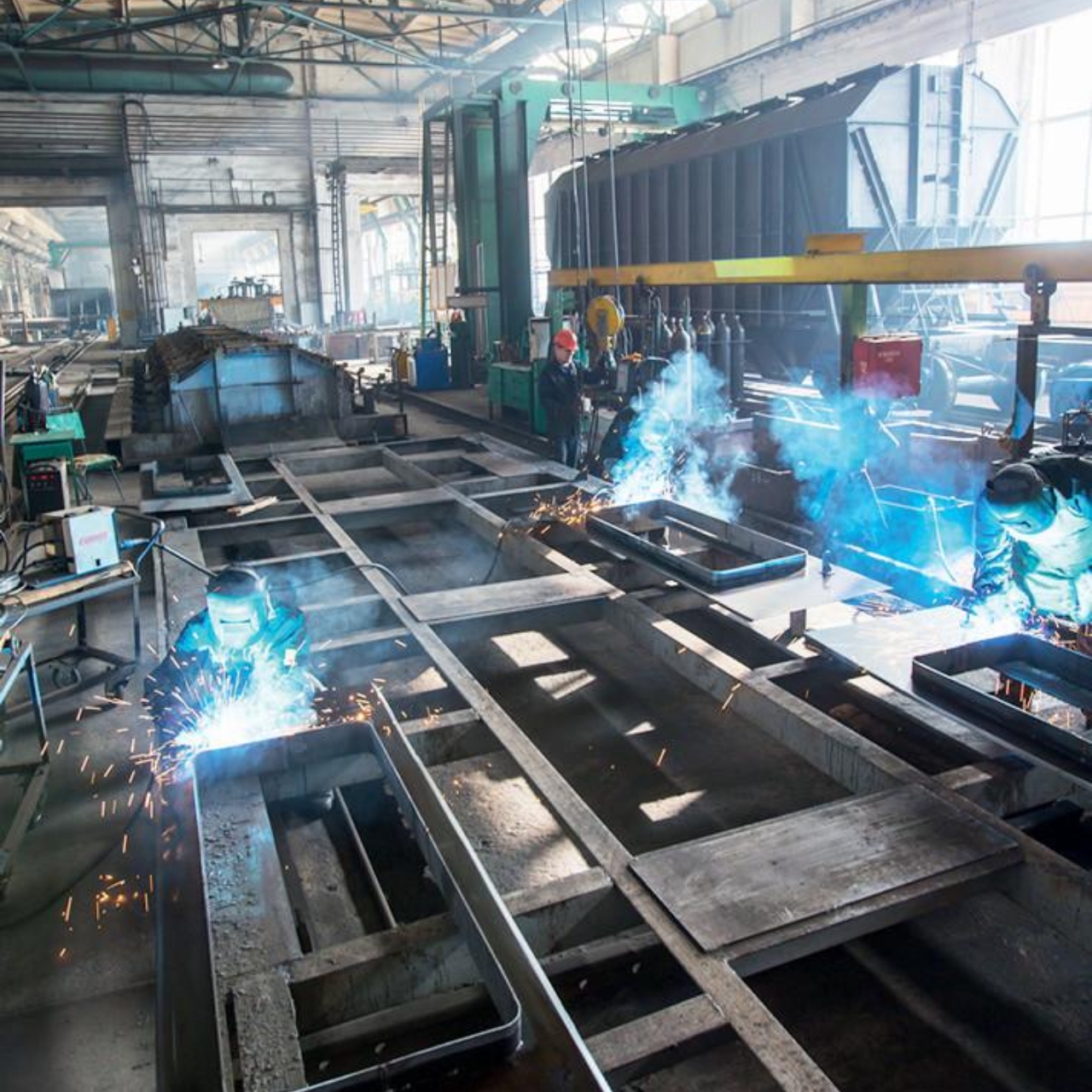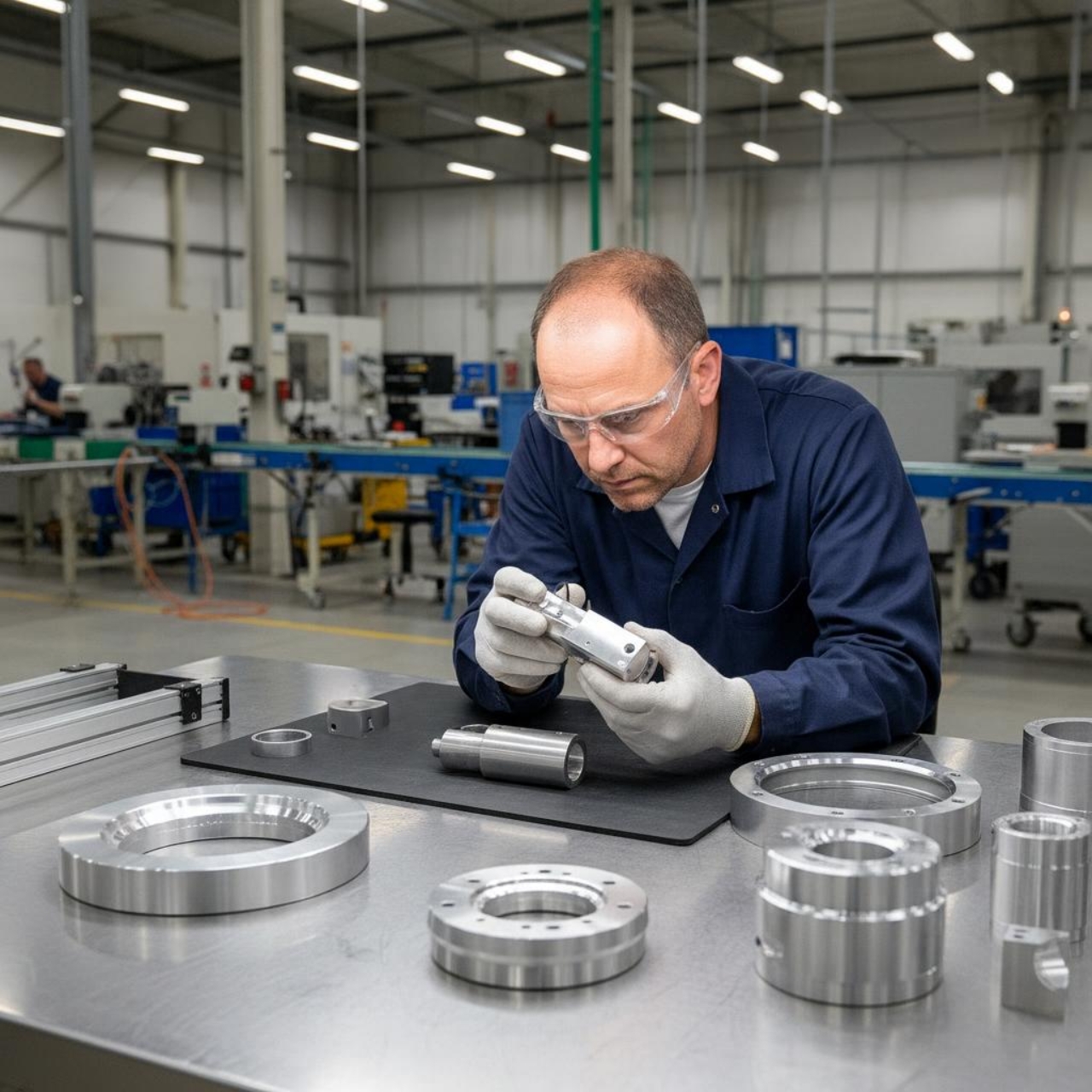
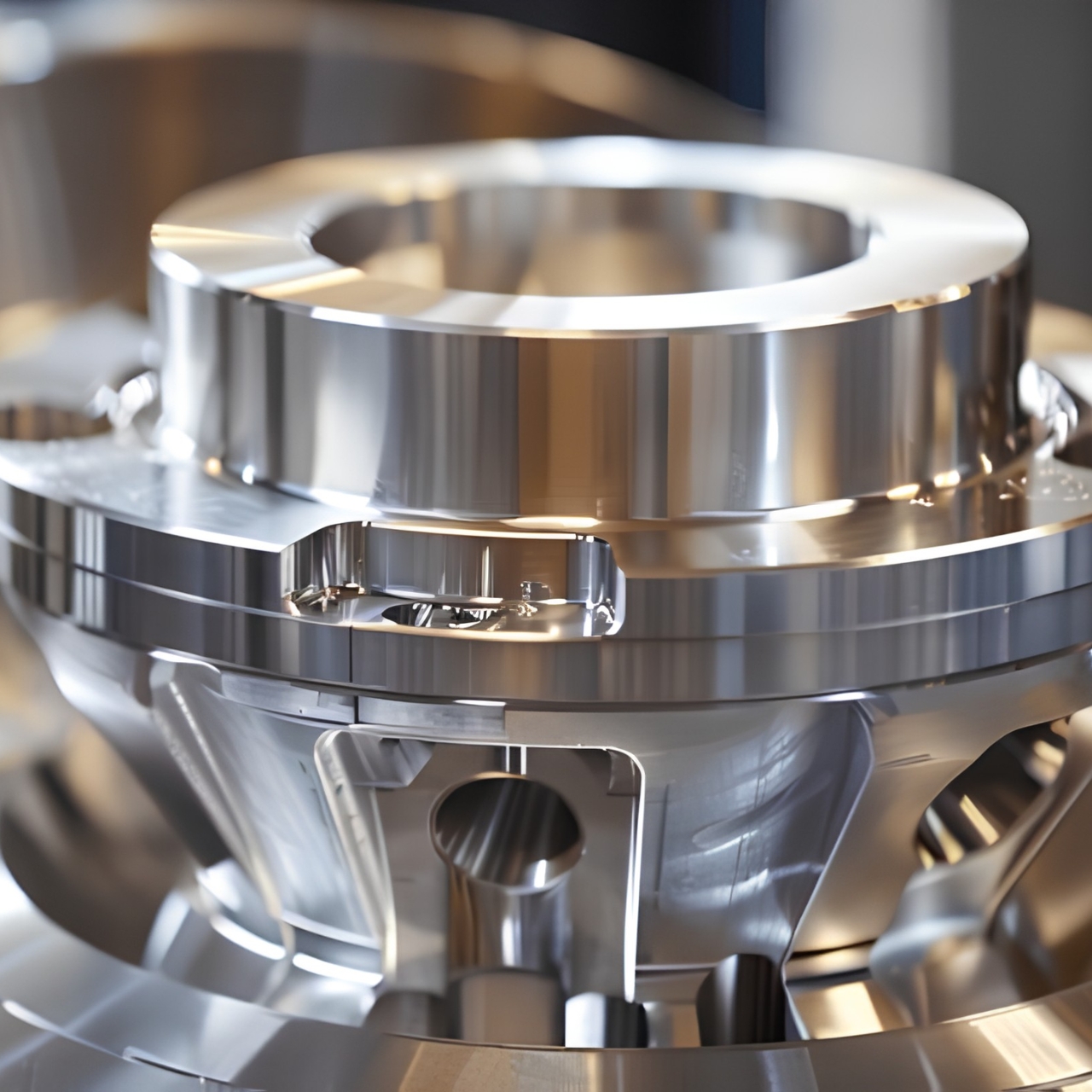
NABTECH TECHNOLOGIES


No more posts
Untitled-design.jpg

What is Precision Engineering?

Precision engineering is a specialized branch of engineering that focuses on designing, manufacturing, and assembling components with extremely tight tolerances and exceptional accuracy. It ensures that every part meets exact specifications, making it essential for industries where even the smallest deviation can affect performance, safety, or reliability.

From aerospace and automotive manufacturing to medical devices and electronics, precision engineering plays a crucial role in producing high-quality components that deliver consistent results.

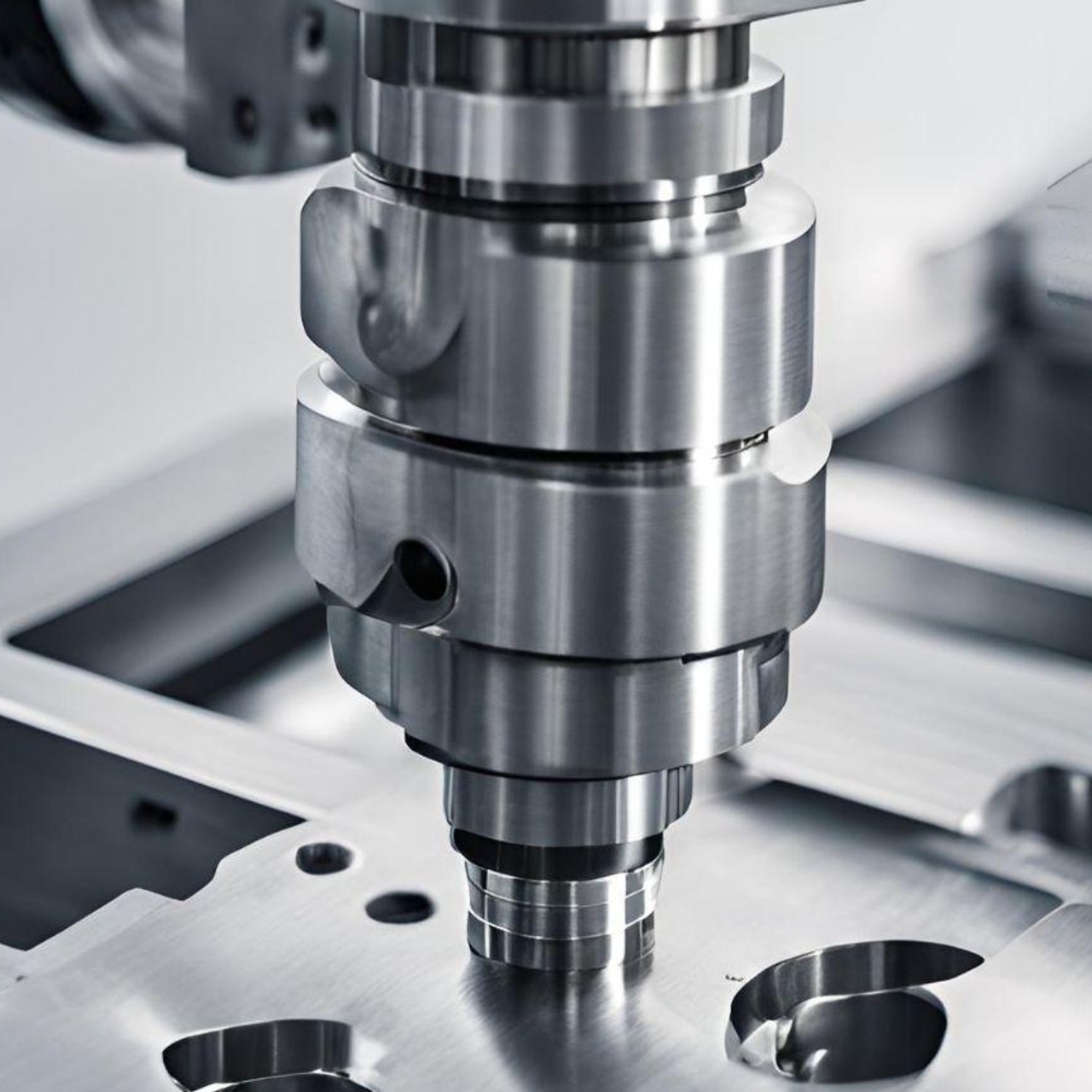
Modern precision engineering combines advanced CNC machining, CAD/CAM software, robotics, automation, laser cutting, and high-accuracy inspection systems to manufacture complex parts with micron-level precision.


Why is Precision Engineering Important?

In today’s competitive manufacturing environment, industries require components that are:

  • Highly accurate
  • Consistent in quality
  • Durable
  • Reliable
  • Cost-effective
  • Suitable for mass production

Precision engineering helps manufacturers reduce defects, improve product performance, and increase production efficiency while maintaining strict quality standards.


How Does Precision Engineering Work?

The precision engineering process involves several advanced manufacturing techniques.

1. Computer-Aided Design (CAD)

Engineers create detailed 2D and 3D models using CAD software before production begins.

Benefits

  • Accurate product design
  • Faster modifications
  • Reduced manufacturing errors

2. CNC Machining

Computer Numerical Control (CNC) machines manufacture components with exceptional precision by following programmed instructions.

Common CNC operations include:

  • CNC Milling
  • CNC Turning
  • CNC Drilling
  • CNC Grinding

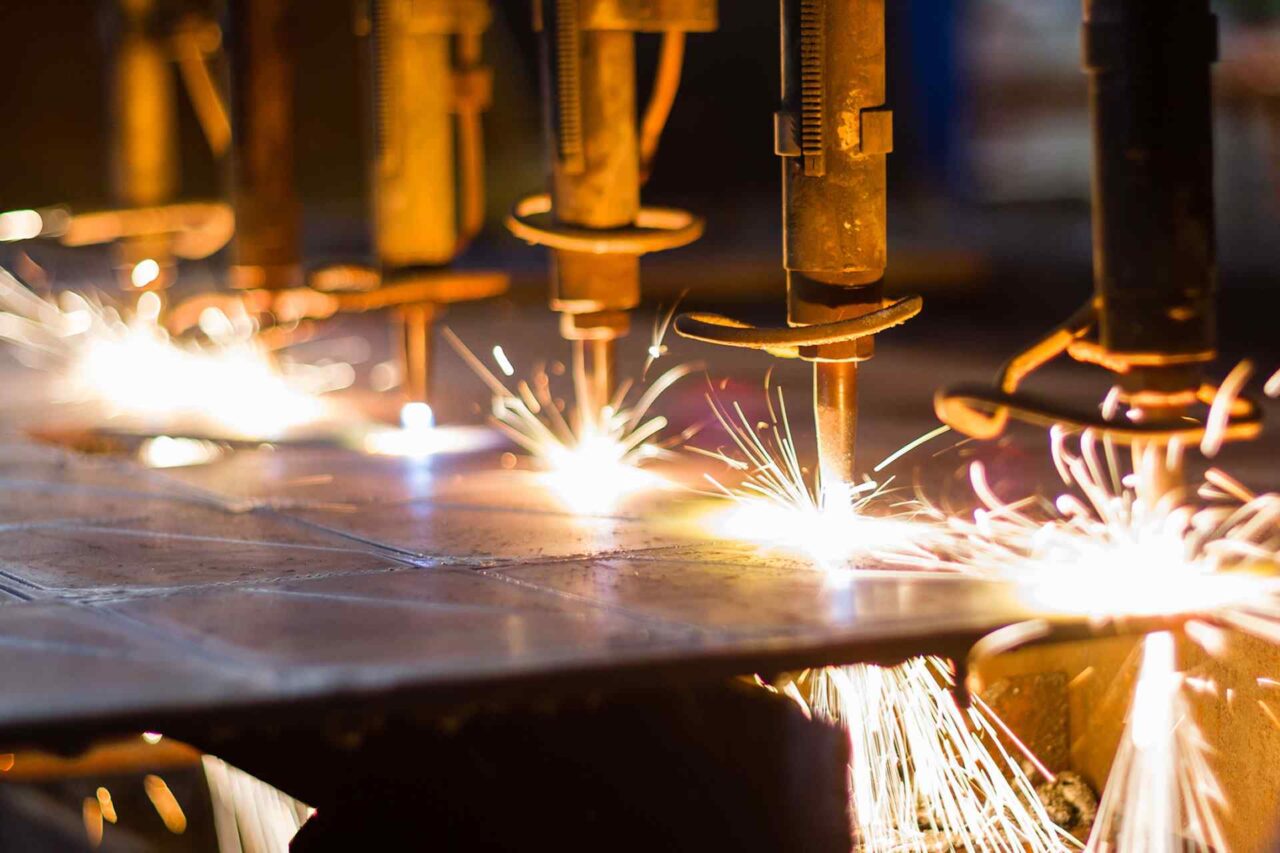
3. Laser Cutting

Laser cutting enables manufacturers to create complex shapes with smooth edges and minimal material waste.

Suitable for:

  • Stainless Steel
  • Aluminum
  • Brass
  • Copper
  • Mild Steel

4. Precision Measurement

After manufacturing, every component is inspected using advanced equipment such as:

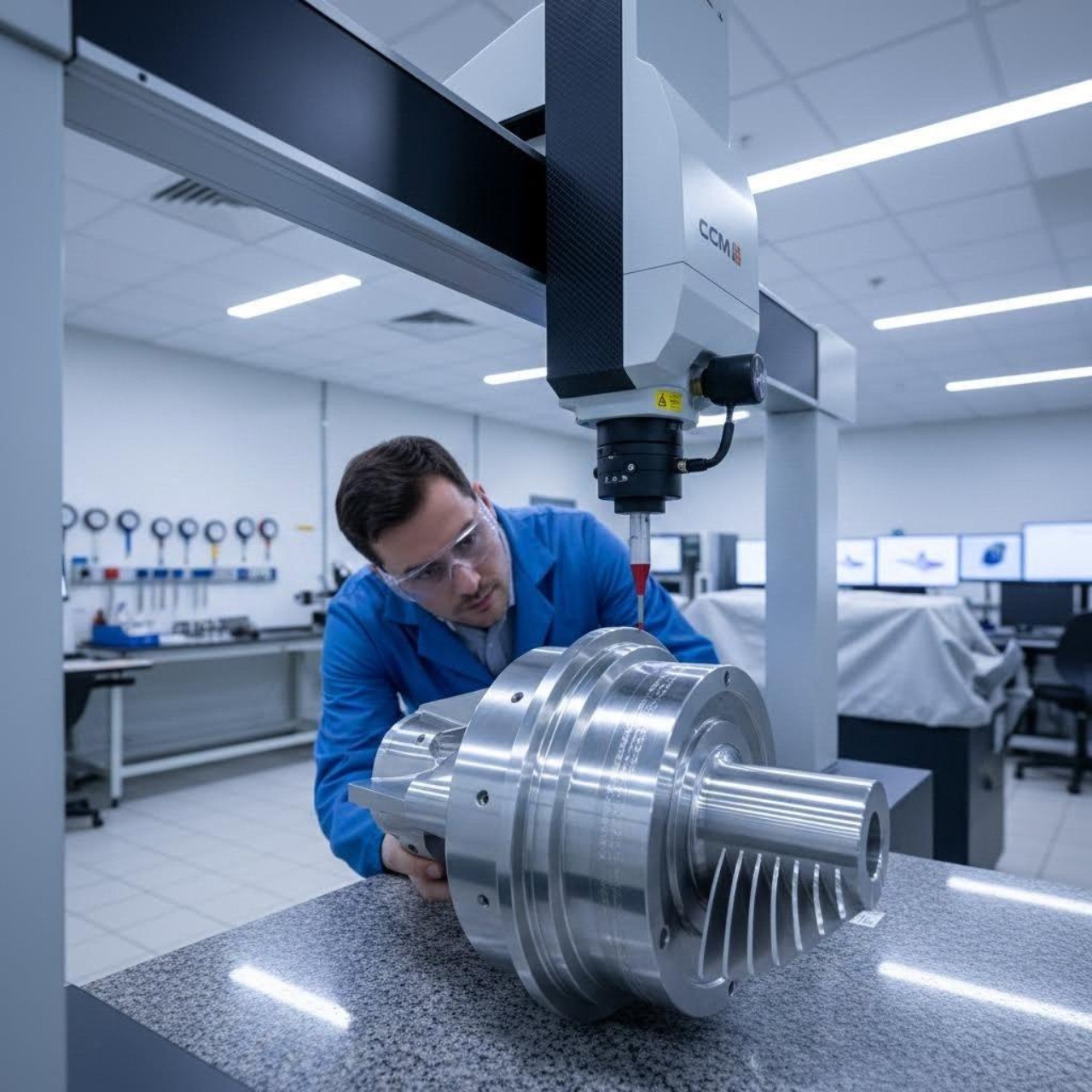
  • Coordinate Measuring Machines (CMM)
  • Digital Micrometers
  • Vernier Calipers
  • Optical Measuring Systems
  • Laser Measurement Devices

These tools ensure that each component meets strict dimensional requirements.


Benefits of Precision Engineering

Exceptional Accuracy

Precision engineering delivers components with extremely tight tolerances, reducing manufacturing defects.


Improved Product Quality

High-quality manufacturing ensures reliable and durable products.


Better Performance

Perfectly manufactured components improve the efficiency and performance of machines.


Reduced Material Waste

Accurate machining minimizes unnecessary material removal, reducing costs.


Lower Maintenance Costs

Well-manufactured components experience less wear and require fewer repairs.


Higher Production Efficiency

Automation and CNC technology increase productivity while maintaining consistent quality.


Better Safety

Industries like aerospace and healthcare rely on precision engineering to manufacture critical components where safety is essential.


Applications of Precision Engineering

Aerospace Industry

Precision engineering is widely used to manufacture:

  • Aircraft engine parts
  • Turbine blades
  • Landing gear components
  • Structural components

High precision ensures safety and reliability during flight.


Automotive Industry

Manufacturers use precision engineering for:

  • Engine components
  • Gear systems
  • Brake systems
  • Transmission parts
  • Fuel injection systems

Medical Industry

Medical equipment requires extremely accurate manufacturing.

Examples include:

  • Surgical instruments
  • Dental implants
  • Orthopedic implants
  • Medical devices
  • Diagnostic equipment

Electronics Industry

Precision engineering enables the production of:

  • Microchips
  • Connectors
  • Semiconductor components
  • Circuit board parts

Industrial Machinery

Heavy industries use precision-engineered parts for:

  • Pumps
  • Valves
  • Bearings
  • Hydraulic systems
  • Industrial automation

Defense Industry

Military equipment demands highly accurate components for:

  • Weapon systems
  • Surveillance equipment
  • Radar systems
  • Armored vehicles

Materials Used in Precision Engineering

Different applications require different materials.

MaterialCommon Applications
Stainless SteelMedical, Food Processing
AluminumAerospace, Automotive
TitaniumMedical Implants, Aerospace
BrassElectrical Components
CopperElectronics
Mild SteelIndustrial Machinery
Plastic Engineering MaterialsElectronics, Medical Devices

Technologies Driving Precision Engineering

Modern manufacturing relies on advanced technologies.

CNC Machining

Provides automated high-precision manufacturing.

Robotics

Improves production speed while reducing human error.

Artificial Intelligence

AI helps optimize machining processes and predictive maintenance.

3D Printing

Rapid prototyping allows faster product development.

IoT (Internet of Things)

Connected machines enable real-time production monitoring.

Automation

Automated manufacturing reduces downtime and increases efficiency.


Challenges in Precision Engineering

Although highly beneficial, precision engineering also faces several challenges.

  • High equipment costs
  • Skilled workforce requirements
  • Strict quality standards
  • Continuous technological upgrades
  • Complex manufacturing processes

However, advancements in automation and digital manufacturing continue to address these challenges.


Future Trends in Precision Engineering

The future of precision engineering is driven by innovation and smart manufacturing.

Smart Factories

Factories will increasingly use connected machines and real-time monitoring.

AI-Powered Manufacturing

Artificial intelligence will optimize machining parameters and reduce defects.

Industry 4.0

Digital manufacturing systems will improve productivity and traceability.

Sustainable Manufacturing

Manufacturers are focusing on energy-efficient machines and reducing waste.

Advanced Robotics

Collaborative robots (cobots) will work alongside humans to enhance productivity.

Digital Twin Technology

Virtual models of machines and production systems will help predict issues before they occur.


Why Businesses Choose Precision Engineering

Companies invest in precision engineering because it offers:

  • Higher product quality
  • Faster production
  • Better consistency
  • Reduced manufacturing costs
  • Increased customer satisfaction
  • Improved operational efficiency
  • Compliance with international quality standards

Whether producing a single prototype or large-scale industrial components, precision engineering ensures reliable and repeatable results.


Frequently Asked Questions (FAQs)

What is precision engineering?

Precision engineering is the design and manufacture of components with extremely high accuracy and tight tolerances using advanced technologies like CNC machining, CAD/CAM, and automated inspection.

Which industries use precision engineering?

Industries such as aerospace, automotive, medical, electronics, defense, industrial machinery, and energy rely on precision engineering for high-performance components.

What are the main benefits of precision engineering?

Key benefits include improved accuracy, consistent quality, reduced waste, lower maintenance costs, enhanced performance, and higher production efficiency.

What materials are commonly used in precision engineering?

Common materials include stainless steel, aluminum, titanium, brass, copper, mild steel, and engineering plastics, depending on the application.

What is the future of precision engineering?

The future includes AI-driven manufacturing, Industry 4.0, smart factories, robotics, digital twins, IoT integration, and sustainable manufacturing practices.


Conclusion

Precision engineering is the backbone of modern manufacturing, enabling industries to produce highly accurate, reliable, and durable components. By combining advanced technologies such as CNC machining, robotics, automation, and AI, manufacturers can achieve exceptional quality while reducing waste and improving efficiency. As Industry 4.0 and smart manufacturing continue to evolve, precision engineering will remain a key driver of innovation across sectors such as aerospace, automotive, healthcare, electronics, and industrial manufacturing.
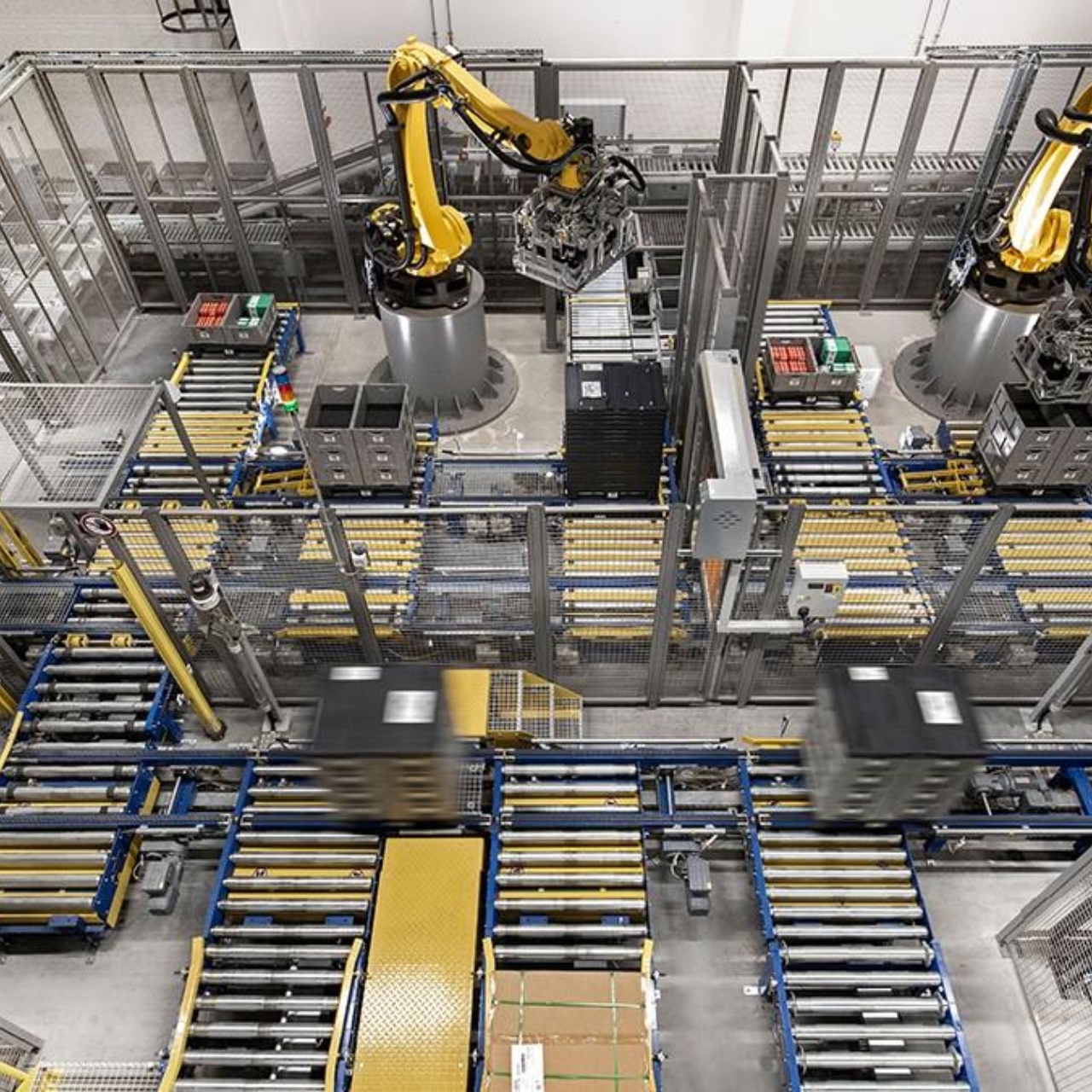
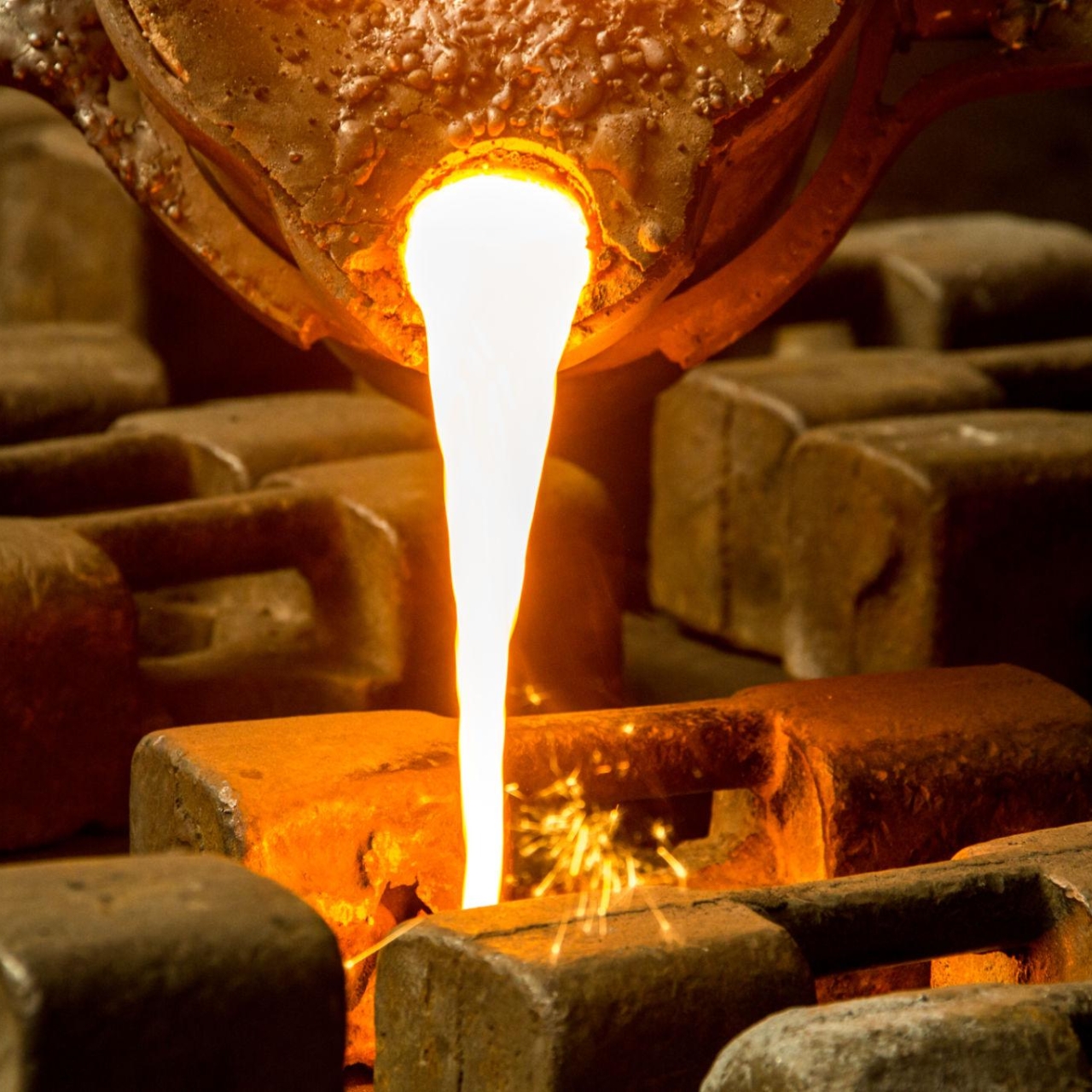
post_05-1280x853.jpg

Fabrication vs Machining: Which Manufacturing Process is Right for Your Project?

When planning a manufacturing project, one of the most important decisions is choosing the right production method. Two of the most widely used processes are fabrication and machining. While both are essential in manufacturing, they serve different purposes and are selected based on factors such as design complexity, precision, material, budget, and production volume.

Understanding the differences between fabrication and machining can help businesses reduce costs, improve product quality, and ensure that components meet performance requirements.

In this guide, we’ll compare fabrication and machining, explain their advantages and limitations, and help you determine which process is best suited for your project.


What is Fabrication?

Metal fabrication is the process of creating products or structures by cutting, bending, shaping, and joining raw materials. Instead of removing material to create a part, fabrication transforms sheets, plates, pipes, or structural sections into finished products.

Fabrication commonly involves:

  • Cutting
  • Bending
  • Welding
  • Rolling
  • Punching
  • Drilling
  • Assembly
  • Surface Finishing

Fabricated products range from industrial platforms and storage tanks to handrails, structural frames, machinery bases, and architectural components.


What is Machining?

Machining is a subtractive manufacturing process where material is removed from a solid workpiece to create a highly accurate component. Modern machining is primarily performed using Computer Numerical Control (CNC) machines that produce parts with exceptional precision and repeatability.

Common machining operations include:

  • CNC Milling
  • CNC Turning
  • Drilling
  • Grinding
  • Boring
  • Thread Cutting

Machining is ideal for producing components that require tight tolerances, smooth finishes, and intricate geometries.


Fabrication vs Machining: Key Differences

FeatureFabricationMachining
Manufacturing MethodForms and joins materialsRemoves material from a solid block
Primary OperationsCutting, bending, weldingMilling, turning, drilling, grinding
PrecisionModerateVery high
ToleranceStandard industrial tolerancesTight tolerances (often within microns)
Material WasteLowHigher due to material removal
Best ForLarge structures and assembliesPrecision components
CostGenerally lower for large structuresHigher for complex precision parts
Surface FinishDepends on finishing processExcellent finish directly from machining
Production SpeedFast for fabricated assembliesFast for precision components using CNC

Benefits of Fabrication

Fabrication is widely used because of its flexibility and cost-effectiveness.

Cost-Effective for Large Projects

Large steel structures and industrial equipment can be produced efficiently with fabrication techniques.

Suitable for Heavy-Duty Structures

Ideal for:

  • Structural Steel Frames
  • Platforms
  • Conveyor Systems
  • Industrial Supports
  • Storage Tanks
  • Pipe Systems

Flexible Design Options

Fabrication allows custom designs tailored to specific project requirements.

Faster Assembly

Prefabricated components can be assembled quickly on-site, reducing installation time.


Benefits of Machining

Machining offers unmatched precision and consistency.

High Accuracy

CNC machines produce parts with extremely tight tolerances, making them suitable for critical applications.

Excellent Surface Finish

Many machined components require little or no additional finishing.

Complex Geometries

Machining can create intricate features that would be difficult to achieve through fabrication alone.

Repeatability

Every part can be manufactured consistently, making machining ideal for production runs.


Applications of Fabrication

Fabrication is commonly used in industries that require large assemblies or structural components.

Construction

  • Steel Buildings
  • Bridges
  • Staircases
  • Handrails
  • Platforms

Industrial Manufacturing

  • Machine Frames
  • Conveyor Systems
  • Support Structures
  • Tanks

Oil & Gas

  • Pipelines
  • Pressure Vessels
  • Structural Supports

Power Plants

  • Equipment Frames
  • Pipe Assemblies
  • Heavy Steel Structures

Applications of Machining

Machining is essential where precision is critical.

Aerospace

  • Engine Components
  • Turbine Parts
  • Aircraft Brackets

Automotive

  • Engine Blocks
  • Transmission Parts
  • Brake Components
  • Shafts

Medical

  • Surgical Instruments
  • Orthopedic Implants
  • Dental Components

Electronics

  • Heat Sinks
  • Connectors
  • Precision Housings

Materials Used

Both fabrication and machining can work with a wide range of materials.

Common Fabrication Materials

  • Mild Steel
  • Stainless Steel
  • Structural Steel
  • Aluminum
  • Copper
  • Brass

Common Machining Materials

  • Stainless Steel
  • Aluminum
  • Titanium
  • Brass
  • Bronze
  • Tool Steel
  • Engineering Plastics

Cost Comparison

The cost depends on the complexity, material, and production volume.

Fabrication

Lower cost for:

  • Large components
  • Heavy structures
  • Welded assemblies
  • Custom steel work

Machining

Higher cost due to:

  • Precision tooling
  • CNC programming
  • Material removal
  • Tight tolerance requirements

However, machining often reduces assembly issues and improves product reliability, making it cost-effective for high-precision applications.


Which Process Should You Choose?

Choose Fabrication If You Need:

  • Structural steel work
  • Heavy-duty equipment
  • Large welded assemblies
  • Industrial platforms
  • Tanks
  • Pipe systems
  • Cost-effective large projects

Choose Machining If You Need:

  • High precision
  • Tight tolerances
  • Smooth surface finishes
  • Complex component designs
  • Aerospace or medical parts
  • Automotive precision components

Can Fabrication and Machining Be Used Together?

Absolutely. Many manufacturing projects combine both processes to achieve the best results.

For example, a heavy machinery frame may be fabricated using welded steel sections, while precision-machined components such as shafts, bearing housings, and mounting plates are added to ensure proper fit and performance.

Using fabrication and machining together provides:

  • Strong structural integrity
  • High dimensional accuracy
  • Better assembly quality
  • Improved durability
  • Cost optimization

Future Trends in Manufacturing

Modern manufacturing is evolving through advanced technologies.

CNC Automation

Automated machining improves productivity and consistency.

Robotic Welding

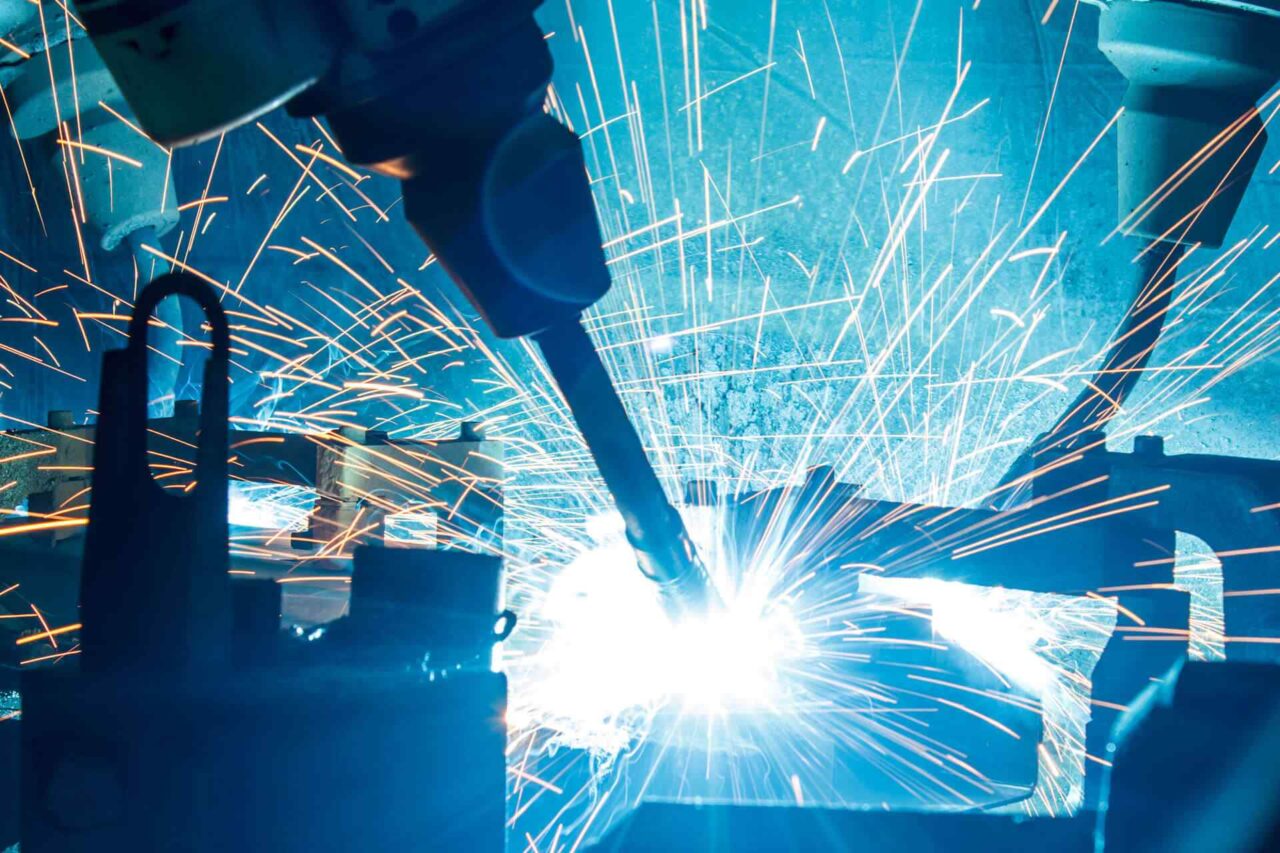
Robots enhance welding speed, accuracy, and safety in fabrication.

Industry 4.0

Smart factories use connected machines, sensors, and data analytics to optimize production.

Laser Cutting

High-speed laser systems deliver cleaner cuts with minimal material waste.

AI-Powered Quality Inspection

Artificial intelligence helps detect defects early, improving overall product quality.

Hybrid Manufacturing

Many manufacturers now integrate fabrication, machining, and additive manufacturing to produce complex, high-performance components more efficiently.


Frequently Asked Questions (FAQs)

What is the main difference between fabrication and machining?

Fabrication shapes and joins raw materials to create assemblies, while machining removes material from a solid workpiece to produce highly accurate parts.

Which is more accurate: fabrication or machining?

Machining provides significantly higher precision and tighter tolerances than fabrication, making it ideal for components that require exact dimensions.

Is fabrication cheaper than machining?

For large structures and welded assemblies, fabrication is generally more cost-effective. Machining tends to be more expensive due to precision equipment, tooling, and material removal.

Can both processes be used together?

Yes. Many industrial projects combine fabricated structures with precision-machined components to achieve strength, durability, and accuracy.

Which industries use fabrication and machining?

Both processes are widely used in construction, automotive, aerospace, oil & gas, power generation, industrial manufacturing, medical equipment, and heavy engineering.


Conclusion

Fabrication and machining are both essential manufacturing processes, but they serve different purposes. Fabrication excels in creating strong, large-scale structures and welded assemblies, while machining delivers exceptional precision for complex and high-performance components.

The right choice depends on your project’s design, tolerance requirements, budget, material, and end-use. In many cases, combining fabrication and machining offers the best balance of strength, accuracy, efficiency, and cost, resulting in durable, high-quality products that meet demanding industrial standards.


Blogs-1.jpg

Top 10 Benefits of Industrial Automation for Modern Manufacturing

In today’s highly competitive manufacturing industry, businesses are under constant pressure to improve productivity, reduce operational costs, and maintain consistent product quality. One of the most effective ways to achieve these goals is through industrial automation.

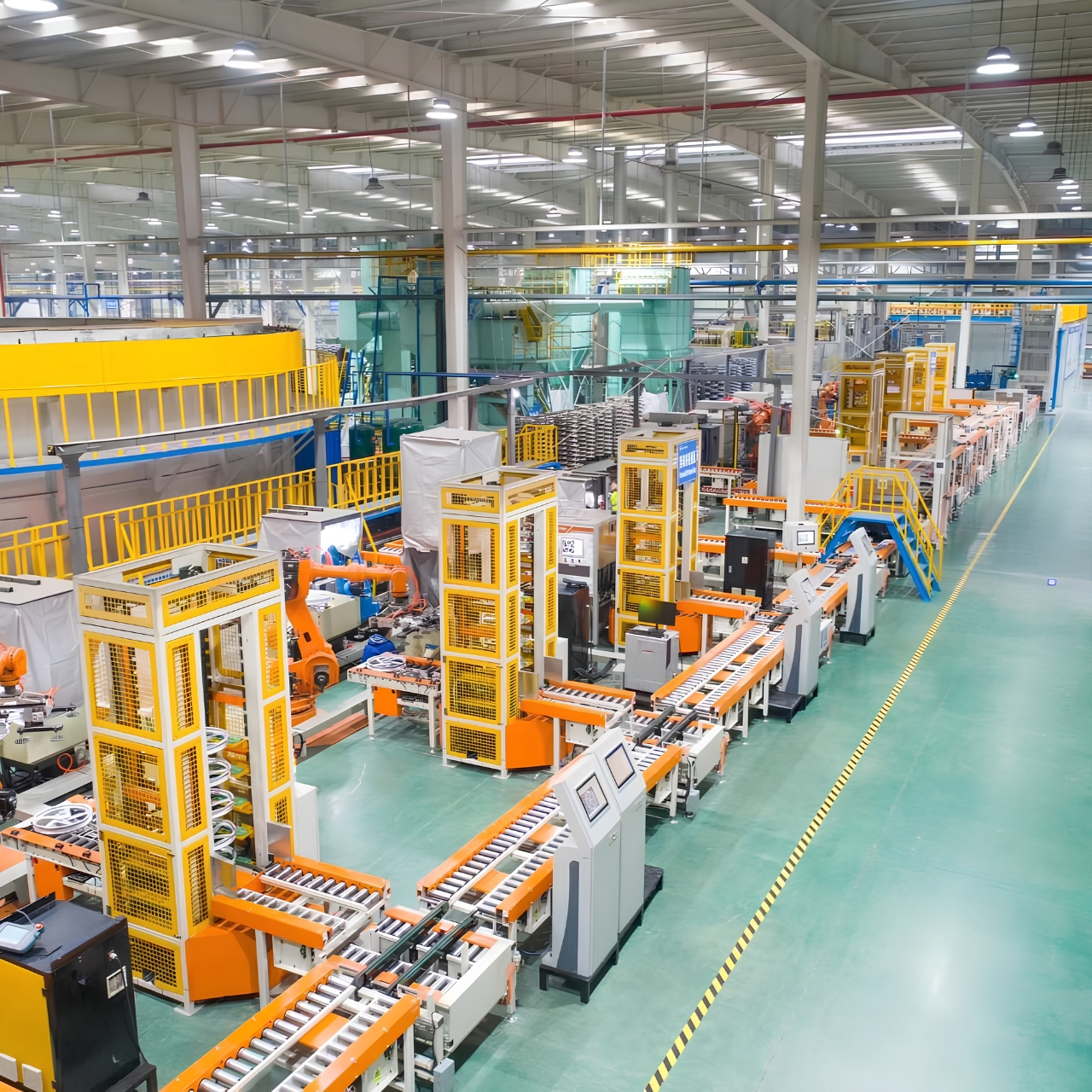
Industrial automation uses technologies such as programmable logic controllers (PLCs), robotics, sensors, Industrial Internet of Things (IIoT), Artificial Intelligence (AI), and automated control systems to streamline manufacturing processes with minimal human intervention.

From automotive and pharmaceuticals to food processing and electronics, industrial automation is transforming factories into smart, efficient, and data-driven production facilities.

In this blog, we’ll explore the top 10 benefits of industrial automation and why it’s becoming an essential investment for modern manufacturers.


What is Industrial Automation?

Industrial automation is the use of control systems, software, robotics, and intelligent machines to automate manufacturing and industrial processes. It replaces repetitive manual tasks with automated operations that improve efficiency, accuracy, and consistency.

Common automation technologies include:

  • PLC (Programmable Logic Controllers)
  • SCADA Systems
  • Industrial Robotics
  • HMI (Human Machine Interface)
  • Sensors and Actuators
  • Automated Conveyor Systems
  • Industrial IoT (IIoT)
  • Artificial Intelligence (AI)

These technologies work together to create highly efficient production environments.


Top 10 Benefits of Industrial Automation

1. Increased Productivity

Automation enables machines to operate continuously with minimal downtime, significantly increasing production capacity.

Advantages:

  • Faster production cycles
  • 24/7 operation
  • Reduced idle time
  • Higher output

Manufacturers can meet growing customer demand without proportionally increasing labor costs.


2. Improved Product Quality

Automated systems perform repetitive tasks with exceptional consistency, minimizing human errors and ensuring every product meets quality standards.

Benefits include:

  • Uniform production
  • Consistent dimensions
  • Reduced defects
  • Better customer satisfaction

Quality control systems can also detect defects in real time, preventing faulty products from reaching customers.


3. Lower Operating Costs

Although automation requires an initial investment, it significantly reduces long-term operating expenses.

Automation helps reduce:

  • Labor costs
  • Material waste
  • Machine downtime
  • Rework
  • Maintenance expenses

This results in improved profitability over time.


4. Enhanced Workplace Safety

Many industrial processes involve hazardous environments, heavy machinery, high temperatures, or dangerous chemicals.

Automation improves safety by allowing robots and automated systems to perform risky tasks instead of human workers.

Examples include:

  • Welding
  • Chemical handling
  • Heavy lifting
  • High-temperature operations
  • Material transportation

This reduces workplace accidents and improves employee safety.


5. Greater Precision and Accuracy

Industrial automation ensures components are manufactured with high precision and repeatability.

Applications requiring extreme accuracy include:

  • CNC machining
  • Electronic assembly
  • Pharmaceutical production
  • Aerospace manufacturing

Precise automation reduces dimensional errors and improves product reliability.


6. Reduced Material Waste

Automated systems optimize material usage by controlling production processes with greater accuracy.

Benefits include:

  • Efficient raw material utilization
  • Lower scrap rates
  • Reduced production costs
  • Environmentally friendly manufacturing

Less waste also supports sustainability initiatives.


7. Real-Time Monitoring and Data Analysis

Modern automation systems collect valuable production data through sensors and connected devices.

Manufacturers can monitor:

  • Machine performance
  • Production speed
  • Energy consumption
  • Equipment health
  • Product quality
  • Downtime causes

Real-time insights help businesses make faster and more informed decisions.


8. Predictive Maintenance

Traditional maintenance often follows fixed schedules or reacts to equipment failures. Industrial automation introduces predictive maintenance by using sensors and analytics to monitor machine health.

Advantages include:

  • Early fault detection
  • Reduced unexpected breakdowns
  • Longer equipment lifespan
  • Lower maintenance costs
  • Increased equipment availability

Predictive maintenance helps maximize productivity while minimizing disruptions.


9. Improved Flexibility and Scalability

Automated production lines can be quickly adjusted to manufacture different products or adapt to changing market demands.

Manufacturers can:

  • Increase production capacity
  • Introduce new product lines
  • Customize products
  • Respond faster to customer requirements

This flexibility gives businesses a competitive advantage.


10. Better Energy Efficiency

Modern automation systems optimize machine operations, reducing unnecessary energy consumption.

Energy-saving features include:

  • Automatic shutdown during idle periods
  • Optimized motor control
  • Smart power management
  • Efficient production scheduling

Lower energy usage reduces operating costs and supports sustainable manufacturing.


Industries That Benefit from Industrial Automation

Industrial automation is widely adopted across various sectors.

Automotive Industry

  • Robotic welding
  • Automated assembly
  • Paint systems
  • Quality inspection

Food & Beverage

  • Packaging
  • Filling systems
  • Sorting
  • Labeling

Pharmaceutical Industry

  • Sterile production
  • Packaging
  • Quality control
  • Batch processing

Electronics Manufacturing

  • PCB assembly
  • Component placement
  • Testing
  • Inspection

Metal Fabrication

  • Laser cutting
  • CNC machining
  • Robotic welding
  • Material handling

Logistics and Warehousing

  • Automated storage systems
  • Conveyor networks
  • Robotic picking
  • Inventory management

Key Technologies Driving Industrial Automation

Modern factories rely on advanced technologies to improve efficiency and performance.

  • Industrial Robotics
  • PLC Systems
  • SCADA Software
  • Human Machine Interface (HMI)
  • Industrial Internet of Things (IIoT)
  • Artificial Intelligence (AI)
  • Machine Vision Systems
  • Automated Guided Vehicles (AGVs)
  • Digital Twin Technology
  • Cloud-Based Manufacturing Platforms

Together, these technologies create intelligent and connected production environments.


Challenges of Industrial Automation

While automation offers numerous advantages, businesses should also consider:

  • High initial investment
  • Skilled workforce requirements
  • Integration with existing systems
  • Cybersecurity concerns
  • Employee training
  • Ongoing software and hardware updates

Proper planning and implementation can help overcome these challenges.


Future Trends in Industrial Automation

The future of manufacturing is becoming increasingly connected and intelligent.

Artificial Intelligence Integration

AI will improve process optimization, quality inspection, and predictive analytics.

Industry 4.0

Smart factories will use interconnected machines and real-time communication for seamless production.

Collaborative Robots (Cobots)

Cobots will safely work alongside human operators, enhancing productivity without replacing skilled workers.

Digital Twins

Virtual replicas of machines and production systems will enable simulation, monitoring, and optimization before changes are made on the factory floor.

Sustainable Manufacturing

Automation will continue to reduce waste, improve energy efficiency, and support environmentally responsible production practices.


Frequently Asked Questions (FAQs)

What is industrial automation?

Industrial automation is the use of advanced technologies such as robotics, PLCs, sensors, and software to automate manufacturing processes, improve efficiency, and reduce manual intervention.

What are the biggest benefits of industrial automation?

The major benefits include increased productivity, improved quality, enhanced safety, reduced operating costs, better energy efficiency, and real-time production monitoring.

Which industries use industrial automation?

Industries such as automotive, aerospace, pharmaceuticals, electronics, food processing, metal fabrication, logistics, and manufacturing widely use industrial automation.

Is industrial automation expensive?

While the initial investment can be significant, automation often delivers long-term savings through higher productivity, reduced waste, lower maintenance costs, and improved operational efficiency.

What is the future of industrial automation?

The future includes AI-powered manufacturing, Industry 4.0, collaborative robots, digital twins, predictive maintenance, and smart factories that use connected systems for optimized production.


Conclusion

Industrial automation has become a cornerstone of modern manufacturing, enabling businesses to produce higher-quality products faster, safer, and more efficiently than ever before. By adopting automation technologies such as robotics, PLCs, IIoT, and AI, manufacturers can reduce costs, improve workplace safety, minimize waste, and remain competitive in an increasingly digital world.

As smart factories and Industry 4.0 continue to evolve, investing in industrial automation is no longer just an option—it is a strategic step toward long-term growth, innovation, and operational excellence.


Blogs-2.jpg

Casting vs Forging: Key Differences, Advantages & Industrial Applications

Choosing the right manufacturing process is essential for producing durable, cost-effective, and high-performance metal components. Two of the most common manufacturing methods used across industries are casting and forging. While both processes shape metal into finished products, they differ significantly in terms of manufacturing techniques, material properties, strength, cost, and applications.

Whether you’re designing automotive parts, industrial machinery, construction equipment, or aerospace components, understanding the differences between casting and forging can help you make the right decision for your project.

This guide explores how casting and forging work, their benefits, limitations, industrial applications, and how to determine which process best suits your manufacturing needs.


What is Casting?

Casting is a manufacturing process in which molten metal is poured into a mold cavity and allowed to cool and solidify into the desired shape. Once solidified, the casting is removed from the mold and may undergo machining or finishing to achieve final dimensions and surface quality.

Casting is particularly useful for creating complex shapes that would be difficult or expensive to produce using other manufacturing methods.

Common Casting Processes

  • Sand Casting
  • Investment Casting
  • Die Casting
  • Permanent Mold Casting
  • Centrifugal Casting
  • Lost Foam Casting

What is Forging?

Forging is a manufacturing process where metal is shaped by applying compressive force using hammers, presses, or dies. The process is typically performed at high temperatures (hot forging) but can also be carried out at room temperature (cold forging) depending on the material and application.

Unlike casting, forging improves the internal grain structure of the metal, resulting in stronger and more durable components.

Common Forging Methods

  • Open Die Forging
  • Closed Die Forging
  • Drop Forging
  • Press Forging
  • Cold Forging
  • Hot Forging

Casting vs Forging: Key Differences

FeatureCastingForging
Manufacturing ProcessMolten metal poured into a moldMetal shaped by compressive force
Material StateLiquid metalSolid metal
StrengthModerateVery high
Grain StructureRandomContinuous and refined
Mechanical PropertiesGoodExcellent
Surface FinishDepends on casting methodUsually requires machining
Design ComplexityExcellent for complex shapesBetter for simpler geometries
Material WasteLowModerate
Production CostCost-effective for complex partsHigher tooling cost but superior strength
Best ForIntricate componentsHigh-strength applications

Advantages of Casting

Casting offers several advantages for manufacturers.

1. Complex Shapes

Casting can produce highly detailed and intricate designs that are difficult to achieve through forging or machining.

2. Cost-Effective for Large Components

Large and heavy metal parts can often be manufactured more economically through casting.

3. Wide Material Selection

Common casting materials include:

  • Cast Iron
  • Aluminum
  • Steel
  • Bronze
  • Brass
  • Magnesium

4. Minimal Material Waste

Since molten metal fills the mold cavity, casting makes efficient use of raw materials.

5. Suitable for Low and High Production Volumes

Different casting methods can accommodate both custom projects and mass production.


Advantages of Forging

Forging is preferred when strength and reliability are critical.

1. Superior Mechanical Strength

The forging process aligns the metal’s grain structure, resulting in stronger components.

2. Better Fatigue Resistance

Forged parts perform better under repeated stress and cyclic loading.

3. Higher Impact Resistance

Forged components are less likely to crack or fail under heavy loads.

4. Improved Structural Integrity

Forging reduces internal voids and porosity, enhancing reliability.

5. Longer Service Life

Forged parts generally last longer in demanding industrial environments.


Limitations of Casting

Despite its versatility, casting has some drawbacks.

  • Risk of shrinkage defects
  • Possible porosity
  • Lower mechanical strength compared to forging
  • Additional finishing may be required
  • Longer cooling time for large components

Limitations of Forging

Forging also has certain limitations.

  • Higher tooling and equipment costs
  • Less suitable for highly intricate shapes
  • Limited to forgeable materials
  • Additional machining may be required
  • Not always economical for small production runs

Industrial Applications of Casting

Casting is widely used across many industries.

Automotive Industry

  • Engine Blocks
  • Cylinder Heads
  • Brake Drums
  • Housings

Construction

  • Pipe Fittings
  • Manhole Covers
  • Structural Components

Heavy Equipment

  • Pump Bodies
  • Valve Bodies
  • Gear Housings

Energy Sector

  • Turbine Casings
  • Compressor Housings
  • Power Plant Components

Marine Industry

  • Propellers
  • Pump Components
  • Engine Parts

Industrial Applications of Forging

Forging is essential where strength and durability are required.

Aerospace

  • Landing Gear
  • Engine Shafts
  • Structural Components

Automotive

  • Crankshafts
  • Connecting Rods
  • Axles
  • Gear Blanks

Oil & Gas

  • Flanges
  • Valves
  • Pressure Components

Railways

  • Wheel Sets
  • Couplings
  • Track Components

Industrial Machinery

  • Shafts
  • Gears
  • Bearings
  • Heavy-Duty Fasteners

Materials Commonly Used

Casting Materials

  • Cast Iron
  • Carbon Steel
  • Stainless Steel
  • Aluminum Alloys
  • Bronze
  • Brass

Forging Materials

  • Carbon Steel
  • Alloy Steel
  • Stainless Steel
  • Aluminum
  • Titanium
  • Nickel Alloys

Casting vs Forging: Which Should You Choose?

Choose Casting If You Need:

  • Complex or intricate shapes
  • Large hollow components
  • Cost-effective production for detailed parts
  • Flexible design options
  • Large cast structures

Choose Forging If You Need:

  • Maximum strength
  • High fatigue resistance
  • Superior durability
  • Critical safety components
  • Parts exposed to heavy loads and impact

Can Casting and Forging Be Used Together?

Yes. Many industrial products combine both manufacturing methods.

For example:

  • A machine may use cast housings for complex external structures and forged shafts or gears for high-strength internal components.
  • Heavy industrial equipment often integrates cast bodies with forged fasteners and rotating parts to optimize both performance and cost.

Combining these processes allows manufacturers to balance design flexibility, strength, and manufacturing efficiency.


Future Trends in Casting and Forging

Manufacturing technologies continue to evolve, improving both processes.

Smart Foundries

Digital monitoring and automation improve casting quality and reduce defects.

Robotic Forging

Automated forging systems increase consistency, speed, and workplace safety.

Simulation Software

Advanced simulation predicts material flow, cooling, and die performance before production begins.

Sustainable Manufacturing

Modern foundries and forging facilities focus on recycling materials, reducing emissions, and improving energy efficiency.

Industry 4.0 Integration

Connected machines, IoT sensors, and AI-driven analytics enable real-time process optimization and predictive maintenance.


Frequently Asked Questions (FAQs)

What is the main difference between casting and forging?

Casting shapes metal by pouring molten material into a mold, while forging shapes solid metal using compressive force. Forging generally produces stronger components due to its refined grain structure.

Which process is stronger: casting or forging?

Forging is stronger because it improves the internal grain flow of the metal, resulting in better mechanical properties and resistance to impact and fatigue.

Is casting more affordable than forging?

Casting is often more economical for producing complex or large components, especially when intricate designs are required. Forging may have higher tooling costs but provides greater strength and durability.

Which industries use casting and forging?

Both processes are widely used in automotive, aerospace, oil & gas, construction, marine, railways, power generation, and heavy industrial manufacturing.

Can cast and forged parts be used in the same product?

Yes. Many machines and industrial systems combine cast components for structural or complex parts with forged components for high-stress areas that require superior strength.


Conclusion

Casting and forging are both essential manufacturing processes, each offering unique advantages. Casting is ideal for producing intricate shapes, large components, and cost-effective designs, while forging is the preferred choice for high-strength, safety-critical, and long-lasting parts.

Selecting the right process depends on your project’s design complexity, performance requirements, production volume, and budget. In many industrial applications, combining cast and forged components provides the best balance of strength, durability, precision, and cost-efficiency.


Blogs-3.jpg

How CNC Machining Improves Accuracy and Production Efficiency

In today’s fast-paced manufacturing industry, precision, speed, and consistency are essential for staying competitive. Businesses across sectors such as aerospace, automotive, medical, electronics, and industrial engineering rely on Computer Numerical Control (CNC) machining to produce high-quality components with exceptional accuracy.

Unlike traditional machining methods, CNC machining uses computer-controlled equipment to automate cutting, drilling, milling, turning, and shaping operations. This technology minimizes human error, increases production speed, and ensures repeatable results across small and large production runs.

In this article, we’ll explore how CNC machining improves manufacturing accuracy and production efficiency, the technologies behind it, its industrial applications, and why it has become a cornerstone of modern precision engineering.


What is CNC Machining?

CNC (Computer Numerical Control) machining is an advanced manufacturing process where computer software controls machine tools to produce components with high precision. Engineers create digital designs using CAD (Computer-Aided Design) software, which are converted into CAM (Computer-Aided Manufacturing) programs that guide CNC machines through every machining operation.

Common CNC processes include:

  • CNC Milling
  • CNC Turning
  • CNC Drilling
  • CNC Grinding
  • CNC Boring
  • CNC Tapping

Because the entire process is digitally controlled, manufacturers can achieve tight tolerances and consistent quality with minimal manual intervention.


Why Accuracy Matters in Manufacturing

Even the smallest dimensional variation can affect the performance, safety, and lifespan of a product. Industries such as aerospace, medical, and automotive require components that fit together perfectly and perform reliably under demanding conditions.

Accurate machining helps:

  • Ensure proper component fit
  • Improve product performance
  • Reduce assembly issues
  • Minimize rework and scrap
  • Meet strict industry standards

CNC machining delivers the precision needed for these critical applications.


How CNC Machining Improves Accuracy

1. Computer-Controlled Precision

CNC machines follow programmed instructions with exceptional consistency. Every movement is controlled digitally, reducing the risk of human error.

Benefits

  • Consistent dimensions
  • High repeatability
  • Tight tolerances
  • Reliable production quality

2. Tight Manufacturing Tolerances

Modern CNC machines can produce parts with extremely fine tolerances, making them suitable for industries where precision is essential.

Applications include:

  • Aerospace components
  • Medical implants
  • Precision gears
  • Automotive engine parts
  • Electronic housings

3. Reduced Human Error

Traditional machining depends heavily on manual operation, increasing the chance of inconsistencies. CNC systems automate tool paths, speeds, and feeds, ensuring every part is produced according to the same specifications.


4. Multi-Axis Machining

Advanced 4-axis and 5-axis CNC machines can machine complex geometries from multiple angles without repeatedly repositioning the workpiece.

Advantages include:

  • Improved dimensional accuracy
  • Fewer setups
  • Better surface finishes
  • Reduced production time

5. Advanced Inspection and Quality Control

Manufacturers often combine CNC machining with precision inspection equipment such as Coordinate Measuring Machines (CMM), laser scanners, and digital measuring tools.

These systems verify:

  • Dimensions
  • Surface finish
  • Geometric accuracy
  • Compliance with design specifications

This ensures every finished component meets strict quality requirements.


How CNC Machining Improves Production Efficiency

1. Faster Production Cycles

Automated CNC machines operate continuously with minimal supervision, significantly increasing production output.

Benefits include:

  • Shorter machining times
  • Faster product delivery
  • Improved workflow
  • Higher production capacity

2. Automation Reduces Downtime

Modern CNC systems can automatically:

  • Change tools
  • Adjust machining parameters
  • Monitor operations
  • Detect potential issues

Automation minimizes delays and keeps production running smoothly.


3. Consistent Repeatability

Once a CNC program is created, it can be reused to manufacture identical parts repeatedly with the same accuracy.

This is especially valuable for:

  • Mass production
  • Replacement components
  • Standardized manufacturing
  • High-volume industrial production

4. Lower Material Waste

Accurate tool paths optimize material usage, reducing unnecessary cutting and scrap.

Advantages include:

  • Lower raw material costs
  • Reduced environmental impact
  • Better production efficiency
  • Improved profitability

5. Shorter Lead Times

Digital programming and automated machining reduce setup time and accelerate production schedules.

Manufacturers can respond more quickly to customer demands while maintaining quality standards.


Additional Benefits of CNC Machining

Beyond accuracy and efficiency, CNC machining offers several other advantages.

Superior Surface Finish

Precision cutting produces smooth surfaces, reducing the need for secondary finishing operations.

Complex Part Manufacturing

CNC machines can manufacture intricate designs that would be difficult or impossible using conventional machining methods.

Flexible Material Compatibility

CNC machining works with a wide range of materials, including:

  • Aluminum
  • Stainless Steel
  • Carbon Steel
  • Brass
  • Copper
  • Titanium
  • Engineering Plastics

Improved Workplace Safety

Automation minimizes direct operator interaction with cutting tools, reducing workplace risks and improving overall safety.


Industries That Rely on CNC Machining

Aerospace

  • Turbine blades
  • Engine components
  • Aircraft brackets
  • Structural parts

Automotive

  • Engine blocks
  • Transmission components
  • Brake systems
  • Precision gears

Medical

  • Surgical instruments
  • Orthopedic implants
  • Dental components
  • Diagnostic equipment

Electronics

  • Heat sinks
  • Precision enclosures
  • Connectors
  • Semiconductor components

Industrial Manufacturing

  • Pumps
  • Valves
  • Shafts
  • Bearings
  • Machine parts

Technologies Supporting Modern CNC Machining

The latest CNC systems integrate with advanced manufacturing technologies to improve productivity and quality.

CAD/CAM Software

Enables accurate digital design and automated toolpath generation.

Industrial Automation

Automates production workflows and machine operations.

Artificial Intelligence (AI)

Optimizes machining parameters, predicts tool wear, and improves process efficiency.

Industrial Internet of Things (IIoT)

Connected machines provide real-time monitoring, remote diagnostics, and production analytics.

Robotics

Robotic systems automate material handling, loading, unloading, and inspection.


Future Trends in CNC Machining

The future of CNC machining is driven by smart manufacturing and digital transformation.

AI-Driven Process Optimization

Artificial intelligence will automatically optimize machining conditions for improved quality and productivity.

Predictive Maintenance

Sensors will detect machine wear before failures occur, reducing downtime and maintenance costs.

Smart Factories

CNC machines will integrate seamlessly with interconnected production systems, enabling real-time communication and data-driven decision-making.

Hybrid Manufacturing

Manufacturers will combine CNC machining with additive manufacturing (3D printing) to create complex components more efficiently.

Sustainable Manufacturing

Modern CNC equipment is being designed to reduce energy consumption, improve material utilization, and support environmentally responsible production.


Frequently Asked Questions (FAQs)

What is CNC machining?

CNC machining is a computer-controlled manufacturing process that automates cutting, drilling, milling, turning, and other machining operations to produce highly accurate components.

How does CNC machining improve accuracy?

By using programmed toolpaths, precise machine movements, and advanced control systems, CNC machining minimizes human error and consistently produces parts with tight tolerances.

Why is CNC machining more efficient than conventional machining?

CNC machines operate automatically, reduce setup time, enable continuous production, minimize material waste, and deliver consistent quality, leading to higher productivity.

Which industries use CNC machining?

Industries such as aerospace, automotive, medical, electronics, industrial manufacturing, defense, and energy rely on CNC machining for precision components.

Can CNC machining handle different materials?

Yes. CNC machines can process metals such as aluminum, stainless steel, titanium, brass, and copper, as well as engineering plastics and composite materials.


Conclusion

CNC machining has transformed modern manufacturing by delivering exceptional accuracy, repeatability, and production efficiency. Through computer-controlled operations, advanced automation, and precision inspection, manufacturers can produce high-quality components faster while reducing waste and operational costs.

As technologies such as AI, IIoT, robotics, and smart factories continue to evolve, CNC machining will remain at the forefront of precision engineering, helping industries achieve greater productivity, improved quality, and long-term competitiveness.


Blogs-4.jpg

Why Quality Control is Essential in Engineering & Manufacturing

In today’s competitive manufacturing landscape, delivering products that meet strict quality standards is more important than ever. Whether producing precision-engineered components, heavy industrial equipment, medical devices, or automotive parts, maintaining consistent quality is essential for customer satisfaction, operational efficiency, and business success.

Quality Control (QC) is the process of inspecting, testing, and verifying products during and after manufacturing to ensure they meet predefined specifications and industry standards. Effective quality control minimizes defects, reduces waste, improves product reliability, and helps manufacturers maintain a strong reputation.

In this blog, we’ll explore why quality control is vital in engineering and manufacturing, the methods and tools used, its benefits, and the future trends shaping quality management.


What is Quality Control?

Quality Control is a systematic process of monitoring and evaluating products to ensure they meet required specifications before reaching customers. It involves inspections, measurements, testing, and documentation throughout the manufacturing process.

The primary objectives of quality control are:

  • Maintain consistent product quality
  • Detect defects early
  • Ensure compliance with standards
  • Reduce production errors
  • Improve customer satisfaction
  • Enhance operational efficiency

Quality control is applied at every stage of production—from raw material inspection to final product testing.


Quality Control vs Quality Assurance

Although often used interchangeably, Quality Control (QC) and Quality Assurance (QA) have different roles.

Quality Control (QC)Quality Assurance (QA)
Focuses on inspecting finished productsFocuses on improving manufacturing processes
Detects defectsPrevents defects
Product-orientedProcess-oriented
Uses testing and inspectionUses planning, procedures, and audits
Ensures products meet specificationsEnsures systems consistently produce quality products

Together, QC and QA create a comprehensive quality management system.


Why Quality Control is Essential

1. Ensures Consistent Product Quality

Quality control ensures every product meets the same standards, regardless of production volume.

Benefits include:

  • Uniform dimensions
  • Reliable performance
  • Consistent appearance
  • Better customer confidence

2. Reduces Manufacturing Defects

By identifying problems early, manufacturers can correct issues before products reach customers.

This helps reduce:

  • Rework
  • Scrap
  • Product recalls
  • Warranty claims

Early detection saves both time and money.


3. Improves Customer Satisfaction

Customers expect reliable, high-quality products. Delivering consistent quality builds trust, encourages repeat business, and strengthens brand reputation.

Satisfied customers are also more likely to recommend your products and services.


4. Increases Operational Efficiency

Effective quality control streamlines production by identifying process improvements and minimizing disruptions.

Advantages include:

  • Reduced downtime
  • Improved workflow
  • Better resource utilization
  • Higher productivity

5. Supports Regulatory Compliance

Many industries must comply with strict regulations and standards.

Quality control helps manufacturers meet requirements for:

  • ISO 9001
  • ASME Standards
  • ASTM Standards
  • Industry-specific regulations
  • Customer specifications

Compliance reduces legal risks and improves market credibility.


6. Minimizes Production Costs

Although quality control requires investment, it significantly reduces long-term costs by preventing expensive mistakes.

Cost savings come from:

  • Less material waste
  • Fewer rejected parts
  • Reduced repairs
  • Lower warranty expenses
  • Improved production efficiency

7. Enhances Product Safety

Safety-critical industries depend on rigorous quality control to ensure products perform reliably under demanding conditions.

Examples include:

  • Aerospace components
  • Medical devices
  • Automotive braking systems
  • Pressure vessels
  • Structural steel components

Proper inspection helps prevent failures that could lead to accidents or costly downtime.


8. Improves Business Reputation

A strong commitment to quality strengthens customer relationships and enhances a company’s reputation in competitive markets.

Businesses known for delivering reliable products are more likely to secure long-term contracts and repeat orders.


Common Quality Control Methods

Manufacturers use various inspection techniques depending on the product and industry.

Visual Inspection

Operators examine products for surface defects, damage, or assembly issues.

Dimensional Inspection

Tools such as calipers, micrometers, and Coordinate Measuring Machines (CMMs) verify that parts meet design specifications.

Non-Destructive Testing (NDT)

NDT methods inspect materials without damaging them.

Common techniques include:

  • Ultrasonic Testing (UT)
  • Magnetic Particle Testing (MT)
  • Dye Penetrant Testing (PT)
  • Radiographic Testing (RT)

Functional Testing

Finished products are tested under operating conditions to ensure they perform as intended.

Statistical Process Control (SPC)

SPC uses production data to monitor process performance and detect variations before defects occur.


Essential Quality Control Tools

Modern quality control combines traditional measuring instruments with advanced digital technologies.

Common tools include:

  • Coordinate Measuring Machines (CMM)
  • Digital Calipers
  • Micrometers
  • Height Gauges
  • Surface Roughness Testers
  • Laser Measurement Systems
  • Machine Vision Inspection Systems
  • 3D Scanners

These tools improve measurement accuracy and inspection efficiency.


Industries That Depend on Quality Control

Aerospace

  • Aircraft structures
  • Turbine components
  • Engine parts

Automotive

  • Engine components
  • Transmission systems
  • Brake assemblies

Medical

  • Surgical instruments
  • Orthopedic implants
  • Diagnostic equipment

Electronics

  • Printed circuit boards
  • Connectors
  • Semiconductor components

Construction & Heavy Engineering

  • Structural steel
  • Pressure vessels
  • Industrial machinery
  • Fabricated components

The Role of Technology in Modern Quality Control

Technology has transformed quality management by making inspections faster, more accurate, and data-driven.

Artificial Intelligence (AI)

AI can identify defects, analyze production trends, and improve inspection accuracy.

Machine Vision

High-resolution cameras automatically inspect products for defects and dimensional accuracy.

Industrial Internet of Things (IIoT)

Connected sensors provide real-time production monitoring and equipment performance data.

Automation

Automated inspection systems increase speed, reduce manual errors, and improve consistency.

Digital Documentation

Cloud-based quality systems simplify traceability, reporting, and compliance management.


Future Trends in Quality Control

Quality control is evolving with smart manufacturing technologies.

Predictive Quality

AI and analytics will predict quality issues before defects occur.

Smart Factories

Integrated systems will monitor production and inspection processes in real time.

Robotics

Robotic inspection systems will improve speed, consistency, and workplace safety.

Digital Twins

Virtual production models will simulate manufacturing processes and identify quality risks before physical production begins.

Sustainable Manufacturing

Manufacturers are focusing on reducing waste, conserving resources, and improving energy efficiency while maintaining high-quality standards.


Frequently Asked Questions (FAQs)

What is quality control in engineering?

Quality control is the process of inspecting, measuring, and testing products to ensure they meet design specifications, industry standards, and customer expectations.

Why is quality control important in manufacturing?

Quality control helps reduce defects, improve product consistency, lower production costs, enhance safety, and increase customer satisfaction.

What is the difference between quality control and quality assurance?

Quality control focuses on identifying defects in products, while quality assurance focuses on improving processes to prevent defects from occurring.

Which industries require strict quality control?

Industries such as aerospace, automotive, medical, electronics, construction, heavy engineering, and industrial manufacturing rely heavily on quality control.

What tools are commonly used in quality control?

Common tools include Coordinate Measuring Machines (CMMs), calipers, micrometers, laser scanners, machine vision systems, and non-destructive testing equipment.


Conclusion

Quality control is a critical component of successful engineering and manufacturing operations. It ensures products meet required specifications, improves customer satisfaction, reduces waste, and supports compliance with industry standards. By combining skilled personnel, advanced inspection technologies, and continuous process improvement, manufacturers can consistently deliver safe, reliable, and high-quality products.

As automation, AI, and smart manufacturing continue to advance, quality control will become even more proactive and data-driven, helping businesses achieve higher efficiency, lower costs, and stronger long-term competitiveness.


post_12-1280x853.jpg

How to Choose the Right Engineering Partner for Industrial Projects

Selecting the right engineering partner is one of the most important decisions for any industrial project. Whether you’re planning a new manufacturing facility, upgrading production lines, installing automation systems, or developing custom machinery, the expertise of your engineering partner directly impacts project quality, efficiency, timelines, and long-term performance.

An experienced engineering company does more than manufacture components—it provides technical guidance, innovative solutions, quality assurance, and reliable after-sales support. The right partner helps reduce project risks, optimize costs, and ensure your project is completed on time and within budget.

This guide outlines the key factors to consider when choosing an engineering partner and explains how the right collaboration can contribute to the long-term success of your industrial projects.


Why Choosing the Right Engineering Partner Matters

Industrial projects often involve significant investments, complex technical requirements, and strict quality standards. A dependable engineering partner helps ensure that every stage—from design and manufacturing to installation and maintenance—is executed efficiently.

Benefits of working with the right engineering partner include:

  • Improved project quality
  • Faster project completion
  • Better technical support
  • Reduced operational risks
  • Long-term cost savings
  • Compliance with industry standards

A trusted partner becomes an extension of your team, helping you solve technical challenges and achieve business goals.


Key Factors to Consider When Choosing an Engineering Partner

1. Industry Experience

Experience is one of the strongest indicators of an engineering company’s capabilities. Look for a partner that has successfully completed projects in your industry.

Industries may include:

  • Manufacturing
  • Automotive
  • Aerospace
  • Oil & Gas
  • Food Processing
  • Pharmaceuticals
  • Construction
  • Power Generation

An experienced team understands industry-specific challenges, regulations, and best practices.


2. Technical Expertise

Evaluate the company’s technical capabilities and the range of services they offer.

A reliable engineering partner should have expertise in:

  • Precision Engineering
  • CNC Machining
  • Metal Fabrication
  • Industrial Automation
  • PLC Control Systems
  • Mechanical Design
  • Electrical Engineering
  • Welding & Assembly

Working with a company that provides multiple services can simplify project management and improve coordination.


3. Manufacturing Capabilities

Modern equipment and advanced manufacturing technologies contribute to higher quality and faster production.

Look for capabilities such as:

  • CNC Milling & Turning
  • Laser Cutting
  • Robotic Welding
  • CAD/CAM Design
  • 3D Modeling
  • Precision Inspection
  • Automated Production Systems

Advanced manufacturing ensures better accuracy, consistency, and scalability.


4. Quality Standards and Certifications

Quality should never be compromised in industrial projects.

Ask whether the company follows recognized standards such as:

  • ISO 9001 Quality Management
  • Industry-specific manufacturing standards
  • Documented inspection procedures
  • Material traceability
  • Process control systems

A strong quality management system reduces defects and ensures reliable performance.


5. Custom Engineering Solutions

Every industrial project has unique requirements. Choose a partner that can provide customized solutions rather than one-size-fits-all products.

Custom engineering may include:

  • Machine design
  • Process optimization
  • Prototype development
  • Product modifications
  • Tailor-made automation systems

Flexible engineering support helps achieve better project outcomes.


6. Project Management Skills

Effective project management is essential for delivering projects on time and within budget.

A professional engineering partner should provide:

  • Clear project planning
  • Regular progress updates
  • Transparent communication
  • Risk management
  • Timely delivery schedules

Good coordination minimizes delays and improves overall efficiency.


7. Strong Quality Control Process

Reliable engineering companies implement quality control throughout every stage of production.

Typical quality control activities include:

  • Material inspection
  • Dimensional measurement
  • Process monitoring
  • Final product testing
  • Documentation and reporting

Consistent quality reduces rework and improves customer confidence.


8. Innovation and Technology Adoption

Manufacturing technologies continue to evolve rapidly. A forward-thinking engineering partner invests in modern tools and digital solutions.

Look for expertise in:

  • Industrial Automation
  • Robotics
  • Artificial Intelligence (AI)
  • Industrial Internet of Things (IIoT)
  • Smart Manufacturing
  • Digital Twin Technology

Technology-driven companies can improve productivity, reduce costs, and future-proof your operations.


9. Customer Support and After-Sales Service

The relationship shouldn’t end after project completion. Reliable after-sales support is essential for maintaining equipment and resolving technical issues.

Consider whether the company offers:

  • Installation support
  • Maintenance services
  • Technical assistance
  • Spare parts availability
  • Training for operators
  • Emergency support

Prompt support helps minimize downtime and maintain operational efficiency.


10. Reputation and Client Feedback

Before making a decision, review the company’s reputation in the industry.

Look for:

  • Customer testimonials
  • Case studies
  • Long-term client relationships
  • Successful project portfolio
  • Positive industry references

A proven track record demonstrates reliability and customer satisfaction.


Questions to Ask Before Selecting an Engineering Partner

Before finalizing your decision, ask questions such as:

  • What industries have you worked with?
  • What engineering and manufacturing services do you provide?
  • How do you ensure product quality?
  • Which certifications do you follow?
  • Can you handle custom engineering projects?
  • What technologies do you use?
  • What is your average project timeline?
  • Do you provide installation and after-sales support?

Clear answers to these questions will help you evaluate the company’s capabilities.


Common Mistakes to Avoid

Avoid selecting an engineering partner based solely on price.

Other common mistakes include:

  • Ignoring quality standards
  • Overlooking technical expertise
  • Failing to verify previous projects
  • Not assessing production capacity
  • Choosing a company without ongoing support

A lower initial cost may lead to higher long-term expenses due to poor quality or project delays.


Benefits of a Long-Term Engineering Partnership

Building a long-term relationship with a trusted engineering partner offers several advantages.

  • Better understanding of your business
  • Faster project execution
  • Consistent product quality
  • Improved communication
  • Continuous process improvement
  • Reduced procurement risks
  • Greater innovation opportunities

Long-term partnerships often lead to higher efficiency and stronger business growth.


Future Trends in Engineering Partnerships

Industrial collaboration is evolving alongside digital manufacturing technologies.

Smart Manufacturing

Connected factories enable better communication between engineering teams and production systems.

AI-Powered Engineering

Artificial intelligence supports predictive design, quality optimization, and process improvement.

Digital Collaboration

Cloud-based platforms allow engineering teams to share designs, monitor projects, and collaborate remotely.

Sustainable Engineering

Companies are increasingly adopting energy-efficient processes, recyclable materials, and environmentally responsible manufacturing practices.

Industry 4.0

Engineering partners that embrace automation, data analytics, and IoT technologies are better equipped to support future industrial growth.


Frequently Asked Questions (FAQs)

Why is choosing the right engineering partner important?

The right engineering partner improves project quality, reduces risks, ensures timely delivery, and provides long-term technical support, helping businesses achieve better outcomes.

What should I look for in an engineering company?

Consider industry experience, technical expertise, manufacturing capabilities, quality certifications, project management skills, innovation, and customer support.

How do engineering partners ensure product quality?

Reputable companies use strict quality control processes, precision inspection equipment, documented procedures, and recognized quality management systems such as ISO 9001.

Should I choose the lowest-cost engineering partner?

Not necessarily. While cost is important, factors such as quality, experience, reliability, and after-sales support often have a greater impact on long-term project success.

Can one engineering company provide multiple services?

Yes. Many engineering firms offer integrated solutions including design, CNC machining, metal fabrication, industrial automation, assembly, inspection, installation, and maintenance.


Conclusion

Choosing the right engineering partner is a strategic decision that influences the success of your industrial projects. By evaluating experience, technical capabilities, quality standards, manufacturing technologies, project management, and customer support, you can identify a partner that delivers reliable solutions and long-term value.

A dependable engineering company doesn’t just complete projects—it helps drive innovation, improve operational efficiency, and support sustainable business growth. Investing time in selecting the right partner today can lead to stronger performance, reduced costs, and lasting competitive advantages in the future.


Blogs-6.jpg

Global Manufacturing Solutions: How Businesses Can Reduce Costs Without Compromising Quality

In today’s highly competitive industrial landscape, businesses are constantly looking for ways to lower manufacturing costs while maintaining exceptional product quality. Rising raw material prices, increasing labor costs, supply chain disruptions, and growing customer expectations make this challenge more significant than ever.

Fortunately, modern global manufacturing solutions provide companies with innovative ways to optimize production, improve efficiency, and reduce operational expenses without sacrificing quality. By combining precision engineering, industrial automation, lean manufacturing, advanced quality control, and strategic global sourcing, businesses can remain competitive while delivering reliable products to customers worldwide.

This article explores practical strategies manufacturers can use to reduce costs without compromising quality and explains why global manufacturing partnerships have become essential for long-term business success.


What Are Global Manufacturing Solutions?

Global manufacturing solutions refer to the integration of advanced manufacturing technologies, optimized supply chains, engineering expertise, and international production capabilities to produce high-quality products efficiently and cost-effectively.

These solutions often include:

  • Precision Engineering
  • CNC Machining
  • Metal Fabrication
  • Industrial Automation
  • Robotics
  • Lean Manufacturing
  • Quality Control Systems
  • Global Supply Chain Management
  • Product Design & Engineering
  • Logistics and Distribution

The goal is to maximize productivity while minimizing waste, downtime, and production costs.


Why Cost Reduction Matters in Manufacturing

Reducing manufacturing costs helps businesses:

  • Improve profit margins
  • Offer competitive pricing
  • Increase production capacity
  • Strengthen market competitiveness
  • Invest in innovation
  • Expand into global markets

However, reducing costs should never come at the expense of product quality or customer satisfaction. Sustainable savings come from process improvements—not cutting corners.


Strategies to Reduce Manufacturing Costs Without Compromising Quality

1. Invest in Industrial Automation

Automation is one of the most effective ways to improve productivity while reducing labor-intensive tasks.

Benefits include:

  • Faster production cycles
  • Reduced human error
  • Consistent product quality
  • Lower labor costs
  • Improved workplace safety

Technologies such as robotic welding, automated assembly lines, PLC systems, and smart conveyors help manufacturers achieve greater efficiency.


2. Use Precision Engineering and CNC Machining

High-precision manufacturing minimizes errors, improves product consistency, and reduces costly rework.

Advantages include:

  • Tight tolerances
  • Repeatable production
  • Lower material waste
  • Better surface finishes
  • Reduced inspection failures

CNC machining enables manufacturers to produce complex parts accurately and efficiently.


3. Implement Lean Manufacturing Principles

Lean manufacturing focuses on eliminating activities that do not add value.

Key lean practices include:

  • Reducing excess inventory
  • Optimizing workflows
  • Eliminating unnecessary movement
  • Improving production scheduling
  • Continuous process improvement

Lean operations help reduce costs while increasing productivity and quality.


4. Strengthen Quality Control Processes

Investing in quality control prevents expensive defects and product recalls.

Effective quality management includes:

  • Incoming material inspection
  • In-process quality checks
  • Final product testing
  • Statistical Process Control (SPC)
  • Non-Destructive Testing (NDT)

Early defect detection reduces waste and protects brand reputation.


5. Optimize Supply Chain Management

A well-managed supply chain reduces procurement costs and minimizes production delays.

Strategies include:

  • Partnering with reliable suppliers
  • Diversifying sourcing locations
  • Improving inventory management
  • Forecasting demand accurately
  • Using digital supply chain tools

Efficient logistics reduce both costs and lead times.


6. Standardize Manufacturing Processes

Standardized procedures improve consistency and reduce production errors.

Benefits include:

  • Faster operator training
  • Reduced process variation
  • Improved quality
  • Better production planning

Documented work instructions also simplify audits and regulatory compliance.


7. Invest in Employee Training

Skilled employees operate machinery more efficiently and make fewer mistakes.

Training areas include:

  • Machine operation
  • Quality inspection
  • Safety procedures
  • Lean manufacturing
  • Automation systems

A knowledgeable workforce contributes to higher productivity and better product quality.


8. Use Data-Driven Decision Making

Modern manufacturing relies on real-time production data to identify inefficiencies and improve performance.

Manufacturers monitor:

  • Machine utilization
  • Production rates
  • Defect trends
  • Energy consumption
  • Downtime
  • Material usage

Data analytics enables faster and more informed business decisions.


9. Improve Energy Efficiency

Energy is a significant manufacturing expense.

Businesses can reduce energy costs by:

  • Installing energy-efficient equipment
  • Using smart motor controls
  • Monitoring energy consumption
  • Recovering waste heat
  • Optimizing production schedules

Lower energy usage also supports sustainability goals.


10. Partner with an Experienced Manufacturing Company

Working with a trusted engineering and manufacturing partner provides access to advanced technology, skilled professionals, and proven production processes.

A reliable partner offers:

  • Design support
  • Precision manufacturing
  • Quality assurance
  • Flexible production capacity
  • On-time delivery
  • Technical expertise

This helps businesses scale operations while maintaining consistent quality.


Technologies Driving Modern Manufacturing

The manufacturing industry continues to evolve through advanced digital technologies.

Artificial Intelligence (AI)

AI improves demand forecasting, predictive maintenance, and production optimization.

Industrial Internet of Things (IIoT)

Connected machines provide real-time monitoring, diagnostics, and performance insights.

Robotics

Robotic systems automate repetitive tasks, improving speed, accuracy, and workplace safety.

Digital Twins

Virtual models of manufacturing systems help optimize production before implementation.

Cloud Manufacturing

Cloud platforms enable remote monitoring, collaboration, and centralized production management.


Industries Benefiting from Global Manufacturing Solutions

Global manufacturing solutions support a wide range of industries.

Automotive

  • Precision engine components
  • Chassis systems
  • Transmission parts

Aerospace

  • Aircraft structures
  • Turbine components
  • High-performance alloys

Medical

  • Surgical instruments
  • Medical implants
  • Diagnostic equipment

Electronics

  • Precision housings
  • Connectors
  • Semiconductor components

Heavy Engineering

  • Industrial machinery
  • Steel structures
  • Fabricated assemblies

Energy

  • Pumps
  • Valves
  • Power generation equipment

Common Mistakes to Avoid

Businesses trying to reduce costs often make decisions that negatively impact quality.

Avoid:

  • Choosing suppliers based only on price
  • Ignoring quality control
  • Delaying equipment maintenance
  • Using outdated machinery
  • Reducing employee training
  • Overlooking process optimization

Long-term success comes from improving efficiency—not reducing quality standards.


Future Trends in Global Manufacturing

The future of manufacturing will focus on intelligent, connected, and sustainable production.

Smart Factories

Real-time communication between machines will optimize production automatically.

Sustainable Manufacturing

Manufacturers will reduce emissions, recycle materials, and improve energy efficiency.

AI-Driven Quality Control

Artificial intelligence will identify production defects faster than manual inspection.

Flexible Manufacturing

Factories will adapt quickly to changing customer demands and customized production.

Industry 4.0

Automation, cloud computing, IIoT, and advanced analytics will continue transforming global manufacturing operations.


Frequently Asked Questions (FAQs)

What are global manufacturing solutions?

Global manufacturing solutions combine advanced engineering, automation, supply chain management, and production technologies to manufacture products efficiently while maintaining high quality.

How can manufacturers reduce costs without lowering quality?

Businesses can reduce costs by implementing automation, lean manufacturing, precision engineering, strong quality control, optimized supply chains, and energy-efficient production methods.

Why is quality control important when reducing manufacturing costs?

Quality control prevents defects, minimizes waste, reduces rework, and ensures products consistently meet customer and industry requirements, helping avoid expensive failures.

Which industries benefit most from global manufacturing solutions?

Industries such as automotive, aerospace, medical, electronics, heavy engineering, energy, and industrial equipment manufacturing benefit significantly from modern global manufacturing strategies.

How does automation reduce production costs?

Automation increases productivity, reduces manual labor, minimizes errors, improves consistency, lowers material waste, and allows factories to operate more efficiently.


Conclusion

Reducing manufacturing costs doesn’t have to mean compromising on quality. By embracing global manufacturing solutions such as industrial automation, precision engineering, lean manufacturing, advanced quality control, and optimized supply chain management, businesses can improve efficiency while delivering reliable, high-quality products.

As technologies like AI, IIoT, robotics, and Industry 4.0 continue to reshape manufacturing, companies that invest in smarter processes and trusted engineering partnerships will be better positioned for long-term growth, increased profitability, and global competitiveness.


Blogs-7.jpg

The Complete Guide to Industrial Fabrication Services

Industrial fabrication is the backbone of modern manufacturing and infrastructure development. From structural steel for commercial buildings to precision-engineered components for heavy machinery, fabrication services play a vital role in creating durable, high-performance products across countless industries.

Whether you’re constructing a manufacturing facility, producing industrial equipment, or developing custom machinery, choosing the right fabrication process and partner is essential for ensuring quality, efficiency, and long-term reliability.

In this comprehensive guide, we’ll explain what industrial fabrication services are, the different fabrication processes, materials used, key benefits, industrial applications, and the latest trends shaping the future of fabrication.


What Are Industrial Fabrication Services?

Industrial fabrication refers to the process of transforming raw metal materials into finished products, components, or structures through a combination of cutting, bending, welding, machining, assembly, and finishing techniques.

Unlike mass-produced standard components, industrial fabrication often involves custom manufacturing tailored to specific project requirements.

Typical fabrication services include:

  • Metal Cutting
  • Laser Cutting
  • Plasma Cutting
  • CNC Punching
  • Sheet Metal Fabrication
  • Structural Steel Fabrication
  • Welding
  • Bending and Forming
  • Machining
  • Assembly
  • Surface Finishing
  • Quality Inspection

Fabrication combines skilled craftsmanship with advanced manufacturing technologies to produce strong, accurate, and reliable products.


Types of Industrial Fabrication Services

1. Structural Steel Fabrication

Structural steel fabrication involves manufacturing steel components used in construction and industrial infrastructure.

Applications include:

  • Industrial Buildings
  • Warehouses
  • Factory Structures
  • Mezzanine Floors
  • Platforms
  • Staircases
  • Handrails
  • Pipe Supports

Structural steel offers excellent strength, durability, and long service life.


2. Sheet Metal Fabrication

Sheet metal fabrication transforms thin metal sheets into functional products using precision equipment.

Common processes include:

  • Laser Cutting
  • CNC Punching
  • Bending
  • Rolling
  • Welding
  • Riveting

Applications include electrical enclosures, cabinets, ducts, machine covers, and control panels.


3. Custom Metal Fabrication

Custom fabrication produces components based on customer specifications.

Examples include:

  • Machine Frames
  • Equipment Bases
  • Industrial Guards
  • Conveyor Structures
  • Custom Brackets
  • Fabricated Assemblies

Custom fabrication is ideal for unique industrial projects where standard products are not suitable.


4. Welding and Assembly

Welding permanently joins metal components into strong assemblies.

Common welding methods include:

  • MIG Welding
  • TIG Welding
  • Arc Welding
  • Spot Welding
  • Robotic Welding

After welding, fabricated parts are assembled into complete products or systems.


5. Precision Fabrication

Precision fabrication combines fabrication with CNC machining and advanced inspection to produce highly accurate components.

Industries requiring precision fabrication include:

  • Aerospace
  • Medical
  • Automotive
  • Electronics
  • Industrial Automation

Common Fabrication Processes

Industrial fabrication consists of several essential manufacturing processes.

Cutting

Raw materials are cut to size using:

  • Laser Cutting
  • Plasma Cutting
  • Waterjet Cutting
  • Saw Cutting

Bending

Press brakes and forming machines shape metal without removing material.

Welding

Metal components are permanently joined using appropriate welding techniques.

Machining

Precision machining creates accurate holes, slots, and finished surfaces where required.

Surface Finishing

Finished products may undergo:

  • Powder Coating
  • Painting
  • Galvanizing
  • Polishing
  • Sandblasting
  • Anodizing

These finishes improve corrosion resistance, durability, and appearance.


Materials Used in Industrial Fabrication

Fabrication services support a wide variety of metals and alloys.

Mild Steel

Widely used for structural applications due to its affordability and strength.

Stainless Steel

Offers excellent corrosion resistance and is commonly used in food processing, pharmaceutical, and chemical industries.

Aluminum

Lightweight and corrosion-resistant, making it ideal for transportation, aerospace, and electronics.

Carbon Steel

Suitable for heavy-duty industrial machinery and structural components.

Brass

Used for decorative, plumbing, and electrical applications.

Copper

Preferred for electrical conductivity and heat transfer applications.


Benefits of Industrial Fabrication Services

High Customization

Fabrication allows manufacturers to produce products tailored to exact customer requirements.


Improved Strength and Durability

Professionally fabricated structures are designed to withstand demanding industrial environments.


Cost-Effective Manufacturing

Custom fabrication reduces unnecessary material waste while improving production efficiency.


Faster Project Completion

Modern fabrication equipment and automated processes reduce manufacturing lead times.


Better Product Quality

Advanced fabrication technologies ensure consistent dimensions, strong welds, and reliable performance.


Scalability

Fabrication supports everything from one-off prototypes to large-scale production runs.


Industries That Use Industrial Fabrication

Industrial fabrication supports numerous industries worldwide.

Construction

  • Steel Structures
  • Bridges
  • Warehouses
  • Commercial Buildings

Manufacturing

  • Machine Frames
  • Production Equipment
  • Conveyor Systems

Oil & Gas

  • Pipelines
  • Pressure Vessels
  • Structural Supports

Energy

  • Power Plant Equipment
  • Turbine Structures
  • Renewable Energy Systems

Automotive

  • Chassis Components
  • Equipment Fixtures
  • Manufacturing Tooling

Food & Beverage

  • Stainless Steel Tanks
  • Conveyors
  • Hygienic Processing Equipment

Technology Transforming Fabrication Services

Modern fabrication is becoming increasingly digital and automated.

CNC Machinery

Computer-controlled equipment delivers greater precision and repeatability.

Robotic Welding

Automated welding systems improve speed, consistency, and safety.

CAD/CAM Software

Digital design and manufacturing reduce errors and speed up production.

Industrial Automation

Automation optimizes fabrication workflows and minimizes manual intervention.

Artificial Intelligence (AI)

AI improves quality inspection, production planning, and predictive maintenance.

Industrial Internet of Things (IIoT)

Connected machines provide real-time monitoring and operational insights.


How to Choose the Right Industrial Fabrication Company

Selecting the right fabrication partner is crucial for project success.

Look for a company that offers:

  • Industry experience
  • Skilled engineering team
  • Modern fabrication equipment
  • Strong quality control systems
  • Certified welding procedures
  • Custom manufacturing capabilities
  • On-time project delivery
  • Technical support and after-sales service

A trusted fabrication partner ensures reliable products, efficient production, and long-term value.


Future Trends in Industrial Fabrication

The fabrication industry continues to evolve with new technologies.

Smart Factories

Digitally connected production systems improve efficiency and reduce downtime.

Sustainable Manufacturing

Companies are adopting eco-friendly processes, recyclable materials, and energy-efficient equipment.

Collaborative Robots (Cobots)

Cobots assist fabricators with repetitive tasks while improving workplace safety.

Additive Manufacturing Integration

3D printing complements traditional fabrication by enabling rapid prototyping and complex component production.

Digital Twins

Virtual production models allow manufacturers to optimize fabrication processes before production begins.


Frequently Asked Questions (FAQs)

What are industrial fabrication services?

Industrial fabrication services involve cutting, bending, welding, machining, assembling, and finishing metal materials to create custom products, equipment, and structures for industrial applications.

What materials are commonly used in fabrication?

Common materials include mild steel, stainless steel, aluminum, carbon steel, brass, and copper, depending on the project’s strength, corrosion resistance, and performance requirements.

Which industries use industrial fabrication?

Industries such as construction, manufacturing, automotive, aerospace, oil & gas, energy, food processing, and heavy engineering rely heavily on industrial fabrication.

What is the difference between fabrication and machining?

Fabrication focuses on forming and joining metal into structures and assemblies, while machining removes material from a workpiece to create precise dimensions and fine surface finishes.

How do I choose the right fabrication company?

Evaluate the company’s experience, technical expertise, equipment, quality certifications, project portfolio, customization capabilities, delivery performance, and customer support before making a decision.


Conclusion

Industrial fabrication services are essential for producing the structures, equipment, and components that power modern industries. By combining advanced fabrication techniques, precision engineering, skilled craftsmanship, and rigorous quality control, manufacturers can deliver durable, reliable, and cost-effective solutions for projects of all sizes.

As automation, robotics, AI, and smart manufacturing continue to transform the industry, businesses that partner with experienced fabrication companies will benefit from higher productivity, improved quality, reduced costs, and greater long-term success.


Blogs-8.jpg

Common Challenges in Manufacturing and How Engineering Solutions Solve Them

Manufacturing is the driving force behind industries such as automotive, aerospace, construction, healthcare, energy, and electronics. However, today’s manufacturers face increasing pressure to produce high-quality products faster, more efficiently, and at competitive costs. Rising raw material prices, labor shortages, equipment downtime, supply chain disruptions, and stricter quality standards have made manufacturing more challenging than ever.

The good news is that modern engineering solutions—including precision engineering, industrial automation, CNC machining, robotics, AI, and data-driven quality control—are helping businesses overcome these challenges while improving productivity and profitability.

In this guide, we’ll discuss the most common manufacturing challenges and explain how innovative engineering solutions help businesses stay competitive in a rapidly evolving industrial landscape.


Why Manufacturing Faces Increasing Challenges

Modern manufacturing environments are more complex than ever before. Global competition, changing customer demands, and technological advancements require companies to continuously improve their operations.

Some of the biggest challenges include:

  • Rising production costs
  • Skilled labor shortages
  • Quality control issues
  • Equipment downtime
  • Supply chain disruptions
  • Material waste
  • Tight delivery schedules
  • Increasing regulatory requirements

Addressing these issues requires strategic investment in engineering expertise and advanced manufacturing technologies.


1. Rising Production Costs

The Challenge

Manufacturers are experiencing higher expenses due to increasing labor costs, energy prices, and raw material costs.

Engineering Solution

Modern engineering helps reduce production costs through:

  • Industrial automation
  • Lean manufacturing practices
  • CNC machining
  • Process optimization
  • Energy-efficient equipment

These improvements reduce waste, improve productivity, and lower operating expenses without sacrificing quality.


2. Skilled Labor Shortages

The Challenge

Many manufacturers struggle to find experienced machine operators, welders, technicians, and engineers.

Engineering Solution

Automation technologies reduce dependence on manual labor by introducing:

  • Robotic welding
  • Automated assembly systems
  • CNC machinery
  • PLC-controlled production lines
  • Smart manufacturing systems

Employees can then focus on supervision, maintenance, and higher-value tasks.


3. Product Quality and Consistency

The Challenge

Inconsistent manufacturing can lead to defects, customer complaints, warranty claims, and costly rework.

Engineering Solution

Quality is improved through:

  • Precision engineering
  • CNC machining
  • Coordinate Measuring Machines (CMM)
  • Automated inspection systems
  • Statistical Process Control (SPC)

Consistent quality builds customer confidence and reduces manufacturing waste.


4. Equipment Downtime

The Challenge

Unexpected machine failures interrupt production, delay deliveries, and increase operating costs.

Engineering Solution

Predictive maintenance technologies use sensors and analytics to monitor machine health in real time.

Benefits include:

  • Early fault detection
  • Reduced unplanned downtime
  • Longer equipment life
  • Lower maintenance costs
  • Higher production availability

5. Supply Chain Disruptions

The Challenge

Global supply chain issues can delay material deliveries and impact production schedules.

Engineering Solution

Manufacturers improve resilience by:

  • Diversifying suppliers
  • Optimizing inventory management
  • Digitizing supply chain operations
  • Using production planning software
  • Improving demand forecasting

These strategies reduce disruptions and improve delivery reliability.


6. Material Waste

The Challenge

Excessive scrap and inefficient material usage increase production costs and negatively impact sustainability.

Engineering Solution

Engineering teams reduce waste through:

  • Precision CNC machining
  • Optimized nesting for sheet metal cutting
  • Automated material handling
  • Lean manufacturing techniques
  • Real-time production monitoring

Efficient material utilization lowers costs and supports environmental goals.


7. Meeting Tight Production Deadlines

The Challenge

Customers expect shorter lead times without compromising quality.

Engineering Solution

Manufacturers improve delivery performance through:

  • Automated production lines
  • Advanced scheduling systems
  • Robotics
  • Flexible manufacturing cells
  • Improved workflow planning

Automation increases production capacity while maintaining consistent quality.


8. Compliance with Industry Standards

The Challenge

Manufacturers must comply with strict industry regulations and customer specifications.

Engineering Solution

Engineering companies implement:

  • ISO 9001 Quality Management Systems
  • Documented inspection procedures
  • Material traceability
  • Process validation
  • Digital quality records

Compliance reduces risks and enhances customer trust.


9. Adopting New Technologies

The Challenge

Rapid technological advancements make it difficult for manufacturers to stay up to date.

Engineering Solution

Companies are investing in:

  • Industrial Internet of Things (IIoT)
  • Artificial Intelligence (AI)
  • Robotics
  • Smart factories
  • Cloud-based manufacturing systems

These technologies improve efficiency, decision-making, and long-term competitiveness.


10. Sustainability and Environmental Responsibility

The Challenge

Manufacturers are under increasing pressure to reduce emissions, energy consumption, and waste.

Engineering Solution

Sustainable engineering practices include:

  • Energy-efficient machinery
  • Recycling production materials
  • Optimized manufacturing processes
  • Renewable energy integration
  • Environmentally friendly production methods

These initiatives lower costs while supporting corporate sustainability goals.


Key Engineering Technologies Solving Manufacturing Challenges

Modern engineering relies on several advanced technologies to address industrial problems.

CNC Machining

Produces highly accurate and repeatable components with minimal material waste.

Industrial Automation

Automates repetitive tasks, improving productivity and reducing labor costs.

Robotics

Enhances speed, precision, and workplace safety in manufacturing operations.

Artificial Intelligence (AI)

Supports predictive maintenance, quality inspection, and production optimization.

Industrial Internet of Things (IIoT)

Provides real-time monitoring of machines, production lines, and equipment performance.

CAD/CAM Software

Improves product design accuracy and streamlines manufacturing processes.


Industries Benefiting from Engineering Solutions

Engineering-driven manufacturing improvements support a wide range of industries.

Automotive

  • Engine components
  • Chassis systems
  • Automated assembly

Aerospace

  • Aircraft structures
  • Turbine components
  • Precision machining

Medical

  • Surgical instruments
  • Medical implants
  • Precision manufacturing

Electronics

  • Circuit board assembly
  • Semiconductor production
  • Precision enclosures

Heavy Engineering

  • Steel fabrication
  • Industrial machinery
  • Power generation equipment

Future Trends in Manufacturing Engineering

The future of manufacturing will be driven by digital transformation and intelligent automation.

Smart Factories

Connected production systems will optimize manufacturing in real time.

Digital Twins

Virtual production models will improve planning, simulation, and maintenance.

AI-Powered Quality Inspection

Artificial intelligence will identify defects faster and more accurately than manual inspection.

Collaborative Robots (Cobots)

Cobots will work safely alongside employees to increase productivity.

Industry 4.0

Integrated automation, IIoT, cloud computing, and advanced analytics will continue transforming manufacturing worldwide.


Frequently Asked Questions (FAQs)

What are the biggest challenges in manufacturing today?

Manufacturers commonly face rising production costs, labor shortages, quality control issues, equipment downtime, supply chain disruptions, material waste, and increasing regulatory requirements.

How do engineering solutions improve manufacturing?

Engineering solutions use technologies such as automation, CNC machining, robotics, AI, and quality management systems to improve productivity, reduce costs, enhance quality, and increase operational efficiency.

Why is industrial automation important?

Industrial automation reduces manual labor, increases production speed, improves consistency, enhances workplace safety, and lowers long-term operating costs.

How does predictive maintenance reduce downtime?

Predictive maintenance uses sensors and data analytics to monitor equipment health, detect issues early, and schedule maintenance before failures occur.

Which industries benefit most from modern engineering solutions?

Industries including automotive, aerospace, medical, electronics, construction, heavy engineering, energy, and manufacturing all benefit from advanced engineering technologies and smart production systems.


Conclusion

Manufacturing challenges are inevitable, but they don’t have to limit business growth. By adopting modern engineering solutions such as precision engineering, industrial automation, CNC machining, predictive maintenance, and intelligent quality control, manufacturers can reduce costs, improve efficiency, maintain high product quality, and strengthen their competitive position.

As Industry 4.0, AI, robotics, and smart factories continue to reshape the industrial landscape, businesses that embrace innovation will be better equipped to overcome future challenges and achieve sustainable, long-term success.


NABTECH TECHNOLOGIES

Canada

168 Weaver Street Cambridge, Ontario, Canada N3C1W4
+1 437-559-7741

www.nabtechtechnologies.com

sales@nabtechtechtechnologies.com

NABTECH ENGINEERING

Head Office

Carrowreaghmony, Ballyglass, Co. Mayo, F12 YF30
+353 89 253 2612www.nabtechengineering.comsales@nabtechengineering.com