
Global Manufacturing Solutions: How Businesses Can Reduce Costs Without Compromising Quality
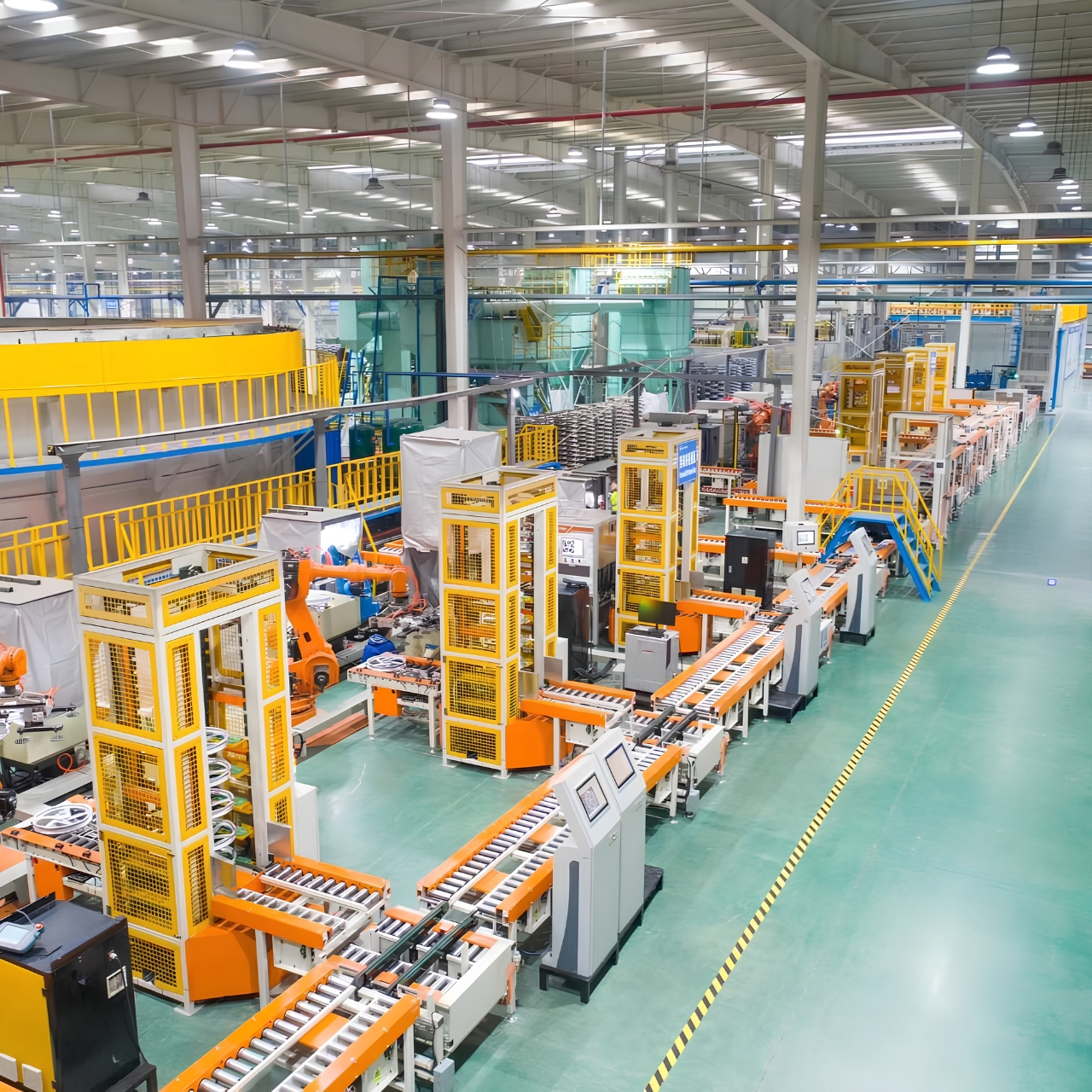
Global Manufacturing Solutions: How Businesses Can Reduce Costs Without Compromising Quality
In today’s highly competitive industrial landscape, businesses are constantly looking for ways to lower manufacturing costs while maintaining exceptional product quality. Rising raw material prices, increasing labor costs, supply chain disruptions, and growing customer expectations make this challenge more significant than ever.
Fortunately, modern global manufacturing solutions provide companies with innovative ways to optimize production, improve efficiency, and reduce operational expenses without sacrificing quality. By combining precision engineering, industrial automation, lean manufacturing, advanced quality control, and strategic global sourcing, businesses can remain competitive while delivering reliable products to customers worldwide.
This article explores practical strategies manufacturers can use to reduce costs without compromising quality and explains why global manufacturing partnerships have become essential for long-term business success.
What Are Global Manufacturing Solutions?
Global manufacturing solutions refer to the integration of advanced manufacturing technologies, optimized supply chains, engineering expertise, and international production capabilities to produce high-quality products efficiently and cost-effectively.
These solutions often include:
- Precision Engineering
- CNC Machining
- Metal Fabrication
- Industrial Automation
- Robotics
- Lean Manufacturing
- Quality Control Systems
- Global Supply Chain Management
- Product Design & Engineering
- Logistics and Distribution
The goal is to maximize productivity while minimizing waste, downtime, and production costs.
Why Cost Reduction Matters in Manufacturing
Reducing manufacturing costs helps businesses:
- Improve profit margins
- Offer competitive pricing
- Increase production capacity
- Strengthen market competitiveness
- Invest in innovation
- Expand into global markets
However, reducing costs should never come at the expense of product quality or customer satisfaction. Sustainable savings come from process improvements—not cutting corners.
Strategies to Reduce Manufacturing Costs Without Compromising Quality
1. Invest in Industrial Automation
Automation is one of the most effective ways to improve productivity while reducing labor-intensive tasks.
Benefits include:
- Faster production cycles
- Reduced human error
- Consistent product quality
- Lower labor costs
- Improved workplace safety
Technologies such as robotic welding, automated assembly lines, PLC systems, and smart conveyors help manufacturers achieve greater efficiency.
2. Use Precision Engineering and CNC Machining
High-precision manufacturing minimizes errors, improves product consistency, and reduces costly rework.
Advantages include:
- Tight tolerances
- Repeatable production
- Lower material waste
- Better surface finishes
- Reduced inspection failures
CNC machining enables manufacturers to produce complex parts accurately and efficiently.
3. Implement Lean Manufacturing Principles
Lean manufacturing focuses on eliminating activities that do not add value.
Key lean practices include:
- Reducing excess inventory
- Optimizing workflows
- Eliminating unnecessary movement
- Improving production scheduling
- Continuous process improvement
Lean operations help reduce costs while increasing productivity and quality.
4. Strengthen Quality Control Processes
Investing in quality control prevents expensive defects and product recalls.
Effective quality management includes:
- Incoming material inspection
- In-process quality checks
- Final product testing
- Statistical Process Control (SPC)
- Non-Destructive Testing (NDT)
Early defect detection reduces waste and protects brand reputation.
5. Optimize Supply Chain Management
A well-managed supply chain reduces procurement costs and minimizes production delays.
Strategies include:
- Partnering with reliable suppliers
- Diversifying sourcing locations
- Improving inventory management
- Forecasting demand accurately
- Using digital supply chain tools
Efficient logistics reduce both costs and lead times.
6. Standardize Manufacturing Processes
Standardized procedures improve consistency and reduce production errors.
Benefits include:
- Faster operator training
- Reduced process variation
- Improved quality
- Better production planning
Documented work instructions also simplify audits and regulatory compliance.
7. Invest in Employee Training
Skilled employees operate machinery more efficiently and make fewer mistakes.
Training areas include:
- Machine operation
- Quality inspection
- Safety procedures
- Lean manufacturing
- Automation systems
A knowledgeable workforce contributes to higher productivity and better product quality.
8. Use Data-Driven Decision Making
Modern manufacturing relies on real-time production data to identify inefficiencies and improve performance.
Manufacturers monitor:
- Machine utilization
- Production rates
- Defect trends
- Energy consumption
- Downtime
- Material usage
Data analytics enables faster and more informed business decisions.
9. Improve Energy Efficiency
Energy is a significant manufacturing expense.
Businesses can reduce energy costs by:
- Installing energy-efficient equipment
- Using smart motor controls
- Monitoring energy consumption
- Recovering waste heat
- Optimizing production schedules
Lower energy usage also supports sustainability goals.
10. Partner with an Experienced Manufacturing Company
Working with a trusted engineering and manufacturing partner provides access to advanced technology, skilled professionals, and proven production processes.
A reliable partner offers:
- Design support
- Precision manufacturing
- Quality assurance
- Flexible production capacity
- On-time delivery
- Technical expertise
This helps businesses scale operations while maintaining consistent quality.
Technologies Driving Modern Manufacturing
The manufacturing industry continues to evolve through advanced digital technologies.
Artificial Intelligence (AI)
AI improves demand forecasting, predictive maintenance, and production optimization.
Industrial Internet of Things (IIoT)
Connected machines provide real-time monitoring, diagnostics, and performance insights.
Robotics
Robotic systems automate repetitive tasks, improving speed, accuracy, and workplace safety.
Digital Twins
Virtual models of manufacturing systems help optimize production before implementation.
Cloud Manufacturing
Cloud platforms enable remote monitoring, collaboration, and centralized production management.
Industries Benefiting from Global Manufacturing Solutions
Global manufacturing solutions support a wide range of industries.
Automotive
- Precision engine components
- Chassis systems
- Transmission parts
Aerospace
- Aircraft structures
- Turbine components
- High-performance alloys
Medical
- Surgical instruments
- Medical implants
- Diagnostic equipment
Electronics
- Precision housings
- Connectors
- Semiconductor components
Heavy Engineering
- Industrial machinery
- Steel structures
- Fabricated assemblies
Energy
- Pumps
- Valves
- Power generation equipment
Common Mistakes to Avoid
Businesses trying to reduce costs often make decisions that negatively impact quality.
Avoid:
- Choosing suppliers based only on price
- Ignoring quality control
- Delaying equipment maintenance
- Using outdated machinery
- Reducing employee training
- Overlooking process optimization
Long-term success comes from improving efficiency—not reducing quality standards.
Future Trends in Global Manufacturing
The future of manufacturing will focus on intelligent, connected, and sustainable production.
Smart Factories
Real-time communication between machines will optimize production automatically.
Sustainable Manufacturing
Manufacturers will reduce emissions, recycle materials, and improve energy efficiency.
AI-Driven Quality Control
Artificial intelligence will identify production defects faster than manual inspection.
Flexible Manufacturing
Factories will adapt quickly to changing customer demands and customized production.
Industry 4.0
Automation, cloud computing, IIoT, and advanced analytics will continue transforming global manufacturing operations.
Frequently Asked Questions (FAQs)
What are global manufacturing solutions?
Global manufacturing solutions combine advanced engineering, automation, supply chain management, and production technologies to manufacture products efficiently while maintaining high quality.
How can manufacturers reduce costs without lowering quality?
Businesses can reduce costs by implementing automation, lean manufacturing, precision engineering, strong quality control, optimized supply chains, and energy-efficient production methods.
Why is quality control important when reducing manufacturing costs?
Quality control prevents defects, minimizes waste, reduces rework, and ensures products consistently meet customer and industry requirements, helping avoid expensive failures.
Which industries benefit most from global manufacturing solutions?
Industries such as automotive, aerospace, medical, electronics, heavy engineering, energy, and industrial equipment manufacturing benefit significantly from modern global manufacturing strategies.
How does automation reduce production costs?
Automation increases productivity, reduces manual labor, minimizes errors, improves consistency, lowers material waste, and allows factories to operate more efficiently.
Conclusion
Reducing manufacturing costs doesn’t have to mean compromising on quality. By embracing global manufacturing solutions such as industrial automation, precision engineering, lean manufacturing, advanced quality control, and optimized supply chain management, businesses can improve efficiency while delivering reliable, high-quality products.
As technologies like AI, IIoT, robotics, and Industry 4.0 continue to reshape manufacturing, companies that invest in smarter processes and trusted engineering partnerships will be better positioned for long-term growth, increased profitability, and global competitiveness.