
What is Precision Engineering? Benefits, Applications & Future Trends
What is Precision Engineering?
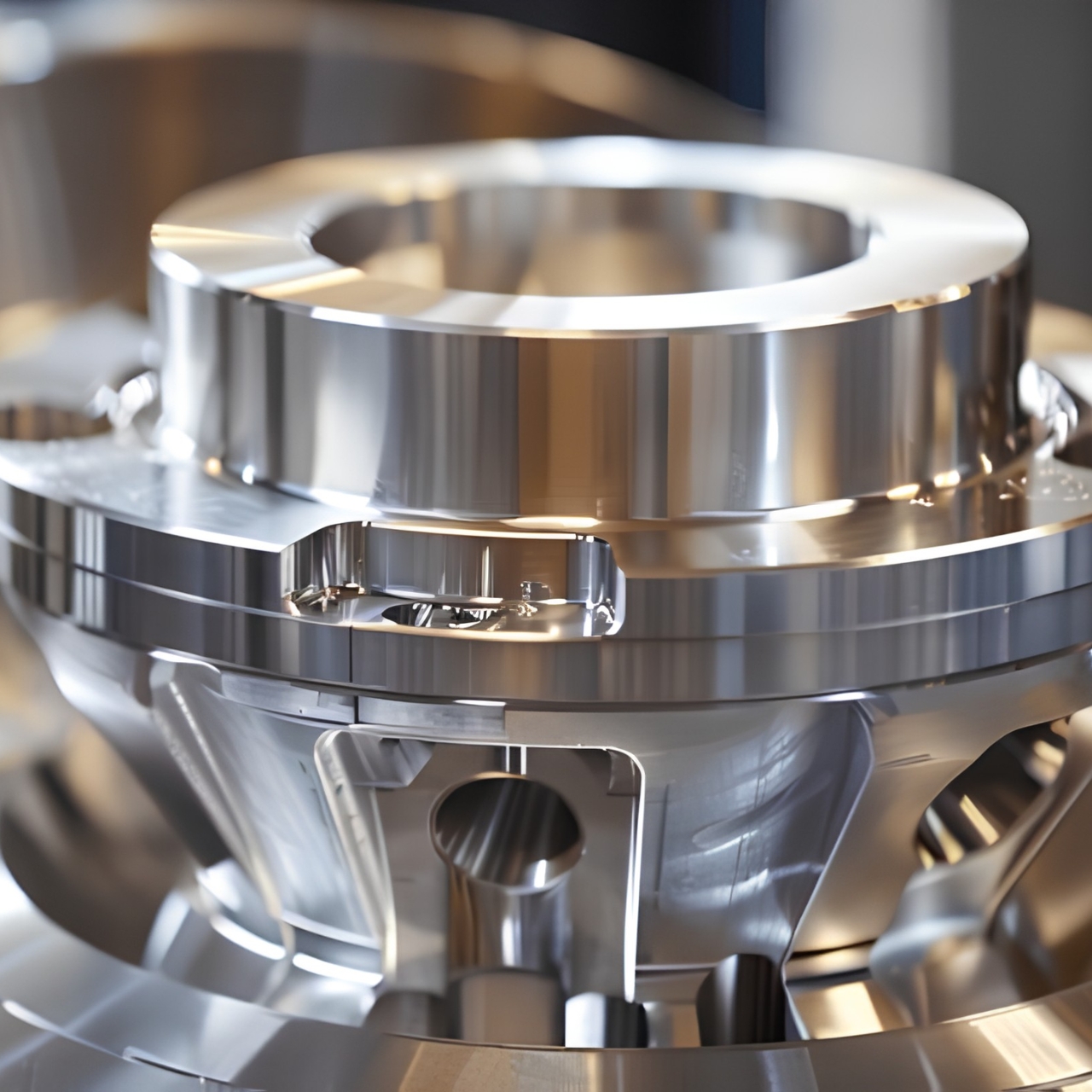
Precision engineering is a specialized branch of engineering that focuses on designing, manufacturing, and assembling components with extremely tight tolerances and exceptional accuracy. It ensures that every part meets exact specifications, making it essential for industries where even the smallest deviation can affect performance, safety, or reliability.
From aerospace and automotive manufacturing to medical devices and electronics, precision engineering plays a crucial role in producing high-quality components that deliver consistent results.
Modern precision engineering combines advanced CNC machining, CAD/CAM software, robotics, automation, laser cutting, and high-accuracy inspection systems to manufacture complex parts with micron-level precision.
Why is Precision Engineering Important?
In today’s competitive manufacturing environment, industries require components that are:
- Highly accurate
- Consistent in quality
- Durable
- Reliable
- Cost-effective
- Suitable for mass production
Precision engineering helps manufacturers reduce defects, improve product performance, and increase production efficiency while maintaining strict quality standards.
How Does Precision Engineering Work?
The precision engineering process involves several advanced manufacturing techniques.
1. Computer-Aided Design (CAD)
Engineers create detailed 2D and 3D models using CAD software before production begins.
Benefits
- Accurate product design
- Faster modifications
- Reduced manufacturing errors
2. CNC Machining
Computer Numerical Control (CNC) machines manufacture components with exceptional precision by following programmed instructions.
Common CNC operations include:
- CNC Milling
- CNC Turning
- CNC Drilling
- CNC Grinding
3. Laser Cutting
Laser cutting enables manufacturers to create complex shapes with smooth edges and minimal material waste.
Suitable for:
- Stainless Steel
- Aluminum
- Brass
- Copper
- Mild Steel
4. Precision Measurement
After manufacturing, every component is inspected using advanced equipment such as:
- Coordinate Measuring Machines (CMM)
- Digital Micrometers
- Vernier Calipers
- Optical Measuring Systems
- Laser Measurement Devices
These tools ensure that each component meets strict dimensional requirements.
Benefits of Precision Engineering
Exceptional Accuracy
Precision engineering delivers components with extremely tight tolerances, reducing manufacturing defects.
Improved Product Quality
High-quality manufacturing ensures reliable and durable products.
Better Performance
Perfectly manufactured components improve the efficiency and performance of machines.
Reduced Material Waste
Accurate machining minimizes unnecessary material removal, reducing costs.
Lower Maintenance Costs
Well-manufactured components experience less wear and require fewer repairs.
Higher Production Efficiency
Automation and CNC technology increase productivity while maintaining consistent quality.
Better Safety
Industries like aerospace and healthcare rely on precision engineering to manufacture critical components where safety is essential.
Applications of Precision Engineering
Aerospace Industry
Precision engineering is widely used to manufacture:
- Aircraft engine parts
- Turbine blades
- Landing gear components
- Structural components
High precision ensures safety and reliability during flight.
Automotive Industry
Manufacturers use precision engineering for:
- Engine components
- Gear systems
- Brake systems
- Transmission parts
- Fuel injection systems
Medical Industry
Medical equipment requires extremely accurate manufacturing.
Examples include:
- Surgical instruments
- Dental implants
- Orthopedic implants
- Medical devices
- Diagnostic equipment
Electronics Industry
Precision engineering enables the production of:
- Microchips
- Connectors
- Semiconductor components
- Circuit board parts
Industrial Machinery
Heavy industries use precision-engineered parts for:
- Pumps
- Valves
- Bearings
- Hydraulic systems
- Industrial automation
Defense Industry
Military equipment demands highly accurate components for:
- Weapon systems
- Surveillance equipment
- Radar systems
- Armored vehicles
Materials Used in Precision Engineering
Different applications require different materials.
| Material | Common Applications |
|---|---|
| Stainless Steel | Medical, Food Processing |
| Aluminum | Aerospace, Automotive |
| Titanium | Medical Implants, Aerospace |
| Brass | Electrical Components |
| Copper | Electronics |
| Mild Steel | Industrial Machinery |
| Plastic Engineering Materials | Electronics, Medical Devices |
Technologies Driving Precision Engineering
Modern manufacturing relies on advanced technologies.
CNC Machining
Provides automated high-precision manufacturing.
Robotics
Improves production speed while reducing human error.
Artificial Intelligence
AI helps optimize machining processes and predictive maintenance.
3D Printing
Rapid prototyping allows faster product development.
IoT (Internet of Things)
Connected machines enable real-time production monitoring.
Automation
Automated manufacturing reduces downtime and increases efficiency.
Challenges in Precision Engineering
Although highly beneficial, precision engineering also faces several challenges.
- High equipment costs
- Skilled workforce requirements
- Strict quality standards
- Continuous technological upgrades
- Complex manufacturing processes
However, advancements in automation and digital manufacturing continue to address these challenges.
Future Trends in Precision Engineering
The future of precision engineering is driven by innovation and smart manufacturing.
Smart Factories
Factories will increasingly use connected machines and real-time monitoring.
AI-Powered Manufacturing
Artificial intelligence will optimize machining parameters and reduce defects.
Industry 4.0
Digital manufacturing systems will improve productivity and traceability.
Sustainable Manufacturing
Manufacturers are focusing on energy-efficient machines and reducing waste.
Advanced Robotics
Collaborative robots (cobots) will work alongside humans to enhance productivity.
Digital Twin Technology
Virtual models of machines and production systems will help predict issues before they occur.
Why Businesses Choose Precision Engineering
Companies invest in precision engineering because it offers:
- Higher product quality
- Faster production
- Better consistency
- Reduced manufacturing costs
- Increased customer satisfaction
- Improved operational efficiency
- Compliance with international quality standards
Whether producing a single prototype or large-scale industrial components, precision engineering ensures reliable and repeatable results.
Frequently Asked Questions (FAQs)
What is precision engineering?
Precision engineering is the design and manufacture of components with extremely high accuracy and tight tolerances using advanced technologies like CNC machining, CAD/CAM, and automated inspection.
Which industries use precision engineering?
Industries such as aerospace, automotive, medical, electronics, defense, industrial machinery, and energy rely on precision engineering for high-performance components.
What are the main benefits of precision engineering?
Key benefits include improved accuracy, consistent quality, reduced waste, lower maintenance costs, enhanced performance, and higher production efficiency.
What materials are commonly used in precision engineering?
Common materials include stainless steel, aluminum, titanium, brass, copper, mild steel, and engineering plastics, depending on the application.
What is the future of precision engineering?
The future includes AI-driven manufacturing, Industry 4.0, smart factories, robotics, digital twins, IoT integration, and sustainable manufacturing practices.
Conclusion
Precision engineering is the backbone of modern manufacturing, enabling industries to produce highly accurate, reliable, and durable components. By combining advanced technologies such as CNC machining, robotics, automation, and AI, manufacturers can achieve exceptional quality while reducing waste and improving efficiency. As Industry 4.0 and smart manufacturing continue to evolve, precision engineering will remain a key driver of innovation across sectors such as aerospace, automotive, healthcare, electronics, and industrial manufacturing.