
NABTECH TECHNOLOGIES


No more posts
Blogs-9.jpg

Emerging Manufacturing Technologies Transforming the Engineering Industry

The engineering and manufacturing industries are undergoing one of the most significant technological transformations in history. Rapid advancements in automation, artificial intelligence (AI), robotics, additive manufacturing, and digital connectivity are reshaping how products are designed, manufactured, inspected, and delivered.

As customer expectations continue to evolve and global competition intensifies, manufacturers are adopting advanced technologies to improve productivity, reduce costs, enhance product quality, and accelerate innovation. These technologies are not only improving operational efficiency but also enabling smarter, more sustainable, and highly flexible manufacturing environments.

In this guide, we’ll explore the emerging manufacturing technologies driving the future of engineering and how businesses can benefit from adopting them.


Why Manufacturing Technology is Evolving

Modern manufacturers face increasing demands for:

  • Faster production
  • Higher product quality
  • Reduced manufacturing costs
  • Customization
  • Sustainable production
  • Improved workplace safety
  • Greater operational efficiency

Traditional manufacturing methods alone are no longer sufficient to meet these expectations. Emerging technologies help companies remain competitive while preparing for the future of Industry 4.0.


1. Artificial Intelligence (AI) in Manufacturing

Artificial Intelligence has become one of the most influential technologies in modern engineering.

AI enables manufacturers to:

  • Predict equipment failures
  • Optimize production schedules
  • Improve quality inspection
  • Reduce machine downtime
  • Analyze production data
  • Forecast demand more accurately

Machine learning algorithms continuously improve manufacturing processes by identifying patterns and recommending process improvements.


2. Industrial Internet of Things (IIoT)

The Industrial Internet of Things connects machines, sensors, and production systems through intelligent networks.

IIoT enables:

  • Real-time equipment monitoring
  • Remote diagnostics
  • Production tracking
  • Energy monitoring
  • Predictive maintenance
  • Data-driven decision-making

Connected factories gain better visibility into operations, allowing quicker responses to production issues.


3. Smart Manufacturing

Smart manufacturing integrates automation, AI, IIoT, cloud computing, and advanced analytics to create highly connected production environments.

Key benefits include:

  • Improved operational efficiency
  • Reduced production downtime
  • Higher productivity
  • Better quality control
  • Faster decision-making
  • Increased manufacturing flexibility

Smart factories can adapt quickly to changing customer demands and production requirements.


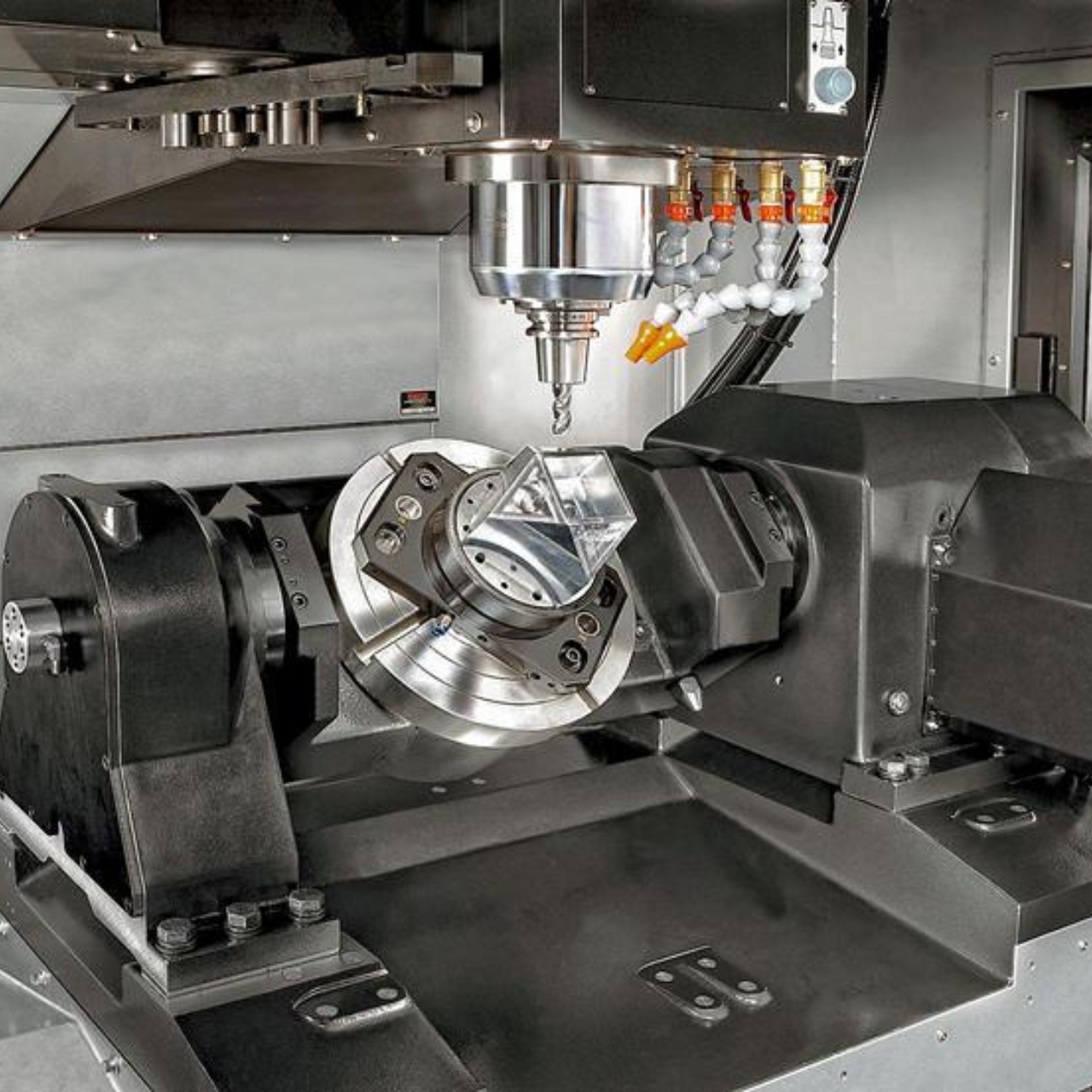
4. Advanced CNC Machining

Modern CNC machining continues to evolve with higher precision, automation, and multi-axis capabilities.

Recent advancements include:

  • 5-Axis CNC Machining
  • Automated Tool Changers
  • Adaptive Machining
  • High-Speed Machining
  • Digital Process Monitoring

These innovations improve production speed while maintaining exceptional accuracy and repeatability.


5. Additive Manufacturing (3D Printing)

Additive manufacturing builds components layer by layer from digital designs, enabling the production of complex geometries that are difficult or impossible with conventional manufacturing.

Applications include:

  • Rapid prototyping
  • Aerospace components
  • Medical implants
  • Custom tooling
  • Lightweight structural parts

Benefits include reduced material waste, faster development cycles, and greater design flexibility.


6. Robotics and Collaborative Robots (Cobots)

Industrial robots automate repetitive, hazardous, and high-precision tasks.

Common robotic applications include:

  • Welding
  • Assembly
  • Material handling
  • Packaging
  • Inspection
  • Machine loading and unloading

Collaborative robots (cobots) are designed to safely work alongside human operators, increasing productivity without replacing skilled workers.


7. Digital Twin Technology

A digital twin is a virtual replica of a physical machine, production line, or manufacturing process.

Manufacturers use digital twins to:

  • Simulate production
  • Test design changes
  • Predict equipment failures
  • Optimize workflows
  • Improve maintenance planning

This technology helps reduce risks before implementing changes in real-world operations.


8. Machine Vision Systems

Machine vision combines cameras, sensors, and AI to inspect products automatically.

Applications include:

  • Surface defect detection
  • Dimensional inspection
  • Barcode reading
  • Assembly verification
  • Quality control

Automated inspection improves consistency and reduces human error.


9. Cloud Manufacturing

Cloud computing allows manufacturers to access production data, engineering designs, and operational reports from anywhere.

Advantages include:

  • Remote monitoring
  • Improved collaboration
  • Faster data sharing
  • Centralized production management
  • Enhanced cybersecurity with managed cloud platforms

Cloud manufacturing supports global operations and multi-site production.


10. Sustainable Manufacturing Technologies

Sustainability has become a major priority across industries.

Emerging technologies help manufacturers:

  • Reduce energy consumption
  • Recycle materials
  • Minimize waste
  • Lower carbon emissions
  • Improve resource efficiency

Sustainable engineering benefits both businesses and the environment.


Benefits of Adopting Emerging Manufacturing Technologies

Companies that invest in modern technologies gain significant competitive advantages.

Higher Productivity

Automation and intelligent systems increase production capacity while reducing manual effort.

Improved Product Quality

Advanced inspection and precision manufacturing reduce defects and ensure consistent quality.

Lower Operating Costs

Optimized processes reduce labor costs, energy consumption, material waste, and downtime.

Greater Manufacturing Flexibility

Modern production systems adapt quickly to customized products and changing market demands.

Better Decision-Making

Real-time data and AI-powered analytics help manufacturers optimize operations and respond faster to challenges.

Enhanced Workplace Safety

Robotics and automation reduce employee exposure to hazardous tasks and environments.


Industries Benefiting from Advanced Manufacturing Technologies

Emerging technologies are transforming a wide range of sectors.

Automotive

  • Automated assembly
  • Electric vehicle production
  • Precision machining

Aerospace

  • Lightweight components
  • Additive manufacturing
  • High-precision inspection

Medical

  • Patient-specific implants
  • Robotic surgical instruments
  • Precision manufacturing

Electronics

  • Semiconductor manufacturing
  • PCB assembly
  • Automated testing

Energy

  • Wind turbine components
  • Solar equipment
  • Power generation systems

Heavy Engineering

  • Industrial machinery
  • Structural fabrication
  • Mining equipment

Challenges of Technology Adoption

While these technologies offer significant benefits, businesses may encounter challenges such as:

  • High initial investment
  • Integration with existing systems
  • Employee training requirements
  • Cybersecurity concerns
  • Ongoing maintenance and software updates

A phased implementation strategy helps reduce risks and maximize return on investment.


Future Trends in Manufacturing

The engineering industry will continue to evolve through technological innovation.

AI-Powered Autonomous Factories

Factories will increasingly use AI to manage production with minimal human intervention.

Hyper-Automation

Multiple automation technologies will work together to optimize every stage of manufacturing.

Green Manufacturing

Companies will focus on energy efficiency, renewable energy integration, and environmentally responsible production.

Human-Robot Collaboration

Cobots will become more common in assembly, inspection, packaging, and material handling.

Industry 5.0

The next phase of manufacturing will combine advanced automation with human creativity, enabling personalized production while maintaining efficiency and sustainability.


Frequently Asked Questions (FAQs)

What are emerging manufacturing technologies?

Emerging manufacturing technologies include AI, robotics, Industrial IoT (IIoT), smart manufacturing, additive manufacturing, digital twins, cloud manufacturing, and advanced CNC machining, all designed to improve productivity, quality, and efficiency.

How does Industry 4.0 affect manufacturing?

Industry 4.0 connects machines, sensors, software, and data systems to create intelligent factories capable of real-time monitoring, automation, predictive maintenance, and optimized production.

Why is AI important in manufacturing?

AI helps manufacturers predict equipment failures, improve quality control, optimize production schedules, reduce downtime, and make data-driven decisions.

What are the benefits of additive manufacturing?

Additive manufacturing enables rapid prototyping, complex designs, reduced material waste, shorter development cycles, and greater customization.

Which industries benefit from these technologies?

Automotive, aerospace, medical, electronics, energy, construction, heavy engineering, and industrial manufacturing all benefit from adopting advanced manufacturing technologies.


Conclusion

Emerging manufacturing technologies are redefining the engineering industry by making production smarter, faster, and more efficient. Innovations such as artificial intelligence, Industrial IoT, robotics, additive manufacturing, digital twins, and advanced CNC machining enable manufacturers to improve quality, reduce costs, increase flexibility, and respond quickly to changing market demands.

Businesses that embrace these technologies today will be better prepared for the future of Industry 4.0 and Industry 5.0, gaining a competitive edge through innovation, sustainability, and operational excellence.
Blogs-10.jpg

Sustainable Manufacturing: Eco-Friendly Engineering Practices for the Future

Sustainability has become a defining priority for modern industries. As businesses face increasing pressure to reduce environmental impact while maintaining productivity and profitability, sustainable manufacturing has emerged as a strategic approach that balances economic growth with environmental responsibility.

Manufacturers around the world are adopting eco-friendly engineering practices to reduce waste, improve energy efficiency, conserve natural resources, and lower carbon emissions. At the same time, these initiatives help organizations reduce operational costs, strengthen regulatory compliance, and meet the growing expectations of environmentally conscious customers.

In this comprehensive guide, we’ll explore what sustainable manufacturing is, why it matters, the key engineering practices driving greener production, and how businesses can prepare for the future of industrial manufacturing.


What Is Sustainable Manufacturing?

Sustainable manufacturing is the process of producing goods while minimizing negative environmental impacts, conserving energy and natural resources, and creating safe working conditions for employees and communities.

It focuses on improving every stage of production—from product design and material sourcing to manufacturing, packaging, logistics, and recycling.

Key objectives include:

  • Reducing carbon emissions
  • Improving energy efficiency
  • Minimizing waste generation
  • Conserving raw materials
  • Increasing recycling and reuse
  • Supporting long-term economic growth
  • Creating safer workplaces

Rather than simply reducing environmental impact, sustainable manufacturing aims to create production systems that are efficient, resilient, and profitable for the long term.


Why Sustainable Manufacturing Matters

Environmental regulations, rising energy costs, and customer demand for greener products are encouraging businesses to rethink traditional manufacturing methods.

The benefits of sustainable manufacturing include:

  • Lower operating costs
  • Improved resource efficiency
  • Reduced environmental impact
  • Enhanced brand reputation
  • Greater compliance with environmental regulations
  • Increased competitiveness in global markets
  • Better employee health and workplace safety

Companies that invest in sustainability often achieve stronger financial performance while contributing to global environmental goals.


Key Eco-Friendly Engineering Practices

1. Energy-Efficient Manufacturing

Energy consumption represents one of the largest operational expenses in manufacturing.

Engineering solutions help reduce energy use through:

  • High-efficiency motors
  • Variable Frequency Drives (VFDs)
  • LED industrial lighting
  • Smart energy monitoring systems
  • Automated equipment shutdown during idle periods
  • Heat recovery systems

Lower energy consumption not only reduces costs but also decreases greenhouse gas emissions.


2. Lean Manufacturing

Lean manufacturing eliminates activities that do not add value, reducing both costs and environmental impact.

Lean principles focus on:

  • Eliminating material waste
  • Reducing unnecessary transportation
  • Improving workflow efficiency
  • Optimizing inventory levels
  • Continuous process improvement

These practices increase productivity while conserving valuable resources.


3. Precision Engineering

Precision engineering minimizes manufacturing errors and improves resource utilization.

Benefits include:

  • Reduced scrap
  • Accurate machining
  • Lower rework rates
  • Better material utilization
  • Improved product quality

Advanced CNC machining and digital manufacturing systems contribute significantly to sustainable production.


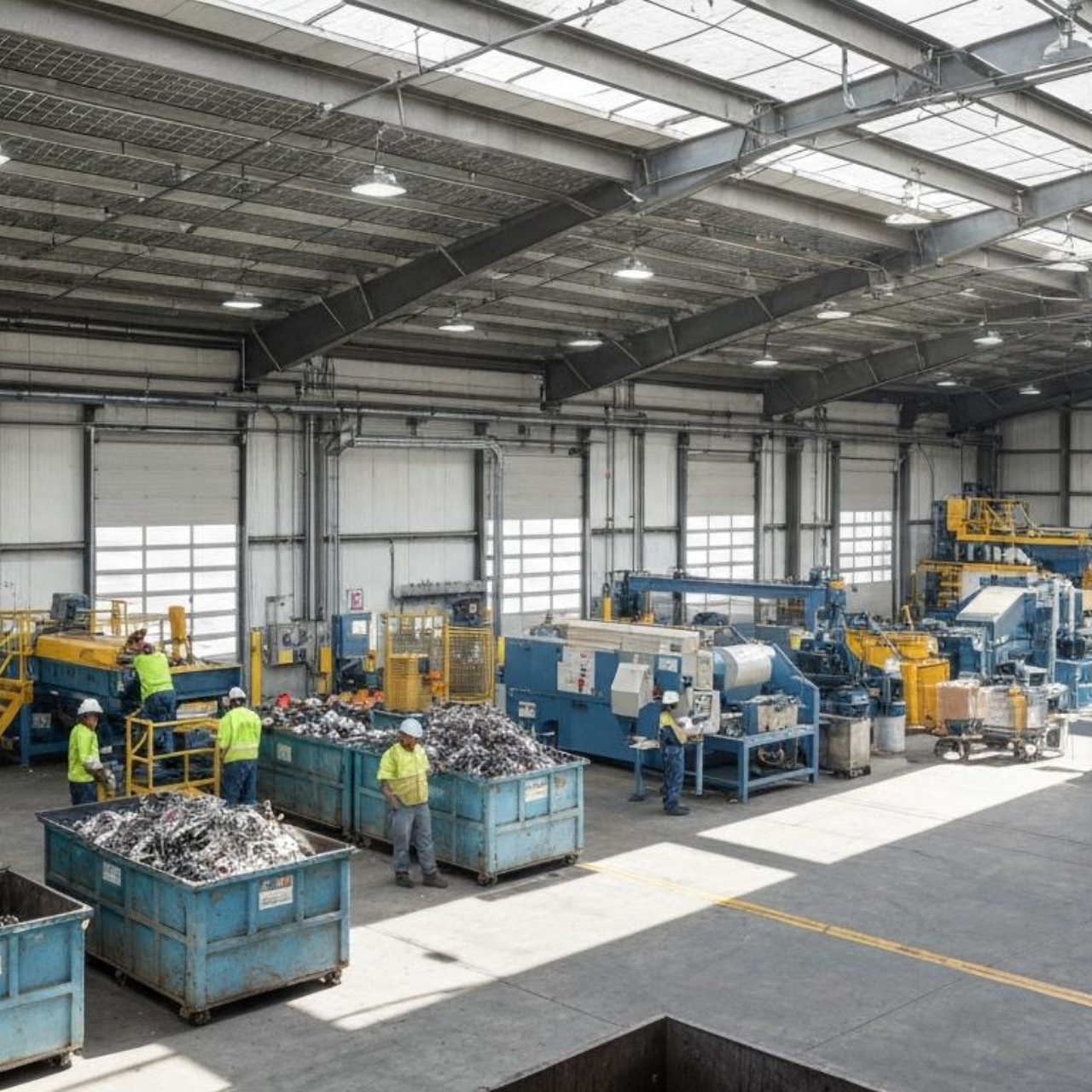
4. Recycling and Material Reuse

Recycling reduces the need for virgin raw materials and lowers landfill waste.

Common recycling practices include:

  • Recycling metal scrap
  • Reusing production materials
  • Recovering cutting fluids
  • Reprocessing manufacturing waste
  • Sustainable packaging

Circular manufacturing models maximize resource utilization throughout the product lifecycle.


5. Industrial Automation

Automation improves production efficiency while reducing waste and energy consumption.

Examples include:

  • Robotic welding
  • Automated assembly
  • Intelligent material handling
  • AI-driven production optimization
  • Smart conveyor systems

Automation ensures consistent quality while minimizing resource consumption.


6. Sustainable Material Selection

Engineering teams increasingly choose materials with lower environmental impact.

Examples include:

  • Recycled steel
  • Recycled aluminum
  • Bio-based composites
  • Low-carbon materials
  • Environmentally certified raw materials

Material selection plays a major role in reducing a product’s overall carbon footprint.


7. Water Conservation

Many manufacturing processes require significant amounts of water.

Sustainable engineering practices include:

  • Closed-loop water systems
  • Water recycling
  • Efficient cooling systems
  • Leak detection technologies
  • Rainwater harvesting

These initiatives help reduce freshwater consumption and wastewater discharge.


8. Green Product Design

Eco-friendly design begins before manufacturing starts.

Engineers design products that:

  • Use fewer materials
  • Are easier to recycle
  • Have longer service life
  • Require less maintenance
  • Consume less energy during operation

Designing for sustainability reduces environmental impact across the entire product lifecycle.


Advanced Technologies Supporting Sustainable Manufacturing

Modern technologies are accelerating the transition toward greener manufacturing.

Artificial Intelligence (AI)

AI optimizes production schedules, predicts equipment failures, and minimizes energy consumption.

Industrial Internet of Things (IIoT)

Connected sensors monitor energy usage, machine performance, and environmental conditions in real time.

Digital Twins

Virtual production models allow manufacturers to simulate processes and optimize efficiency before implementation.

Additive Manufacturing (3D Printing)

3D printing reduces material waste by producing components layer by layer instead of removing material from larger blocks.

Renewable Energy Integration

Manufacturers increasingly use:

  • Solar power
  • Wind energy
  • Battery storage systems
  • Smart energy management

These technologies reduce dependence on fossil fuels and lower operating costs.


Benefits of Sustainable Manufacturing

Reduced Operating Costs

Energy-efficient equipment, waste reduction, and optimized processes help lower production expenses.


Improved Product Quality

Better engineering practices result in fewer defects and greater manufacturing consistency.


Stronger Environmental Compliance

Sustainable operations help businesses meet local and international environmental regulations.


Better Corporate Reputation

Customers, investors, and partners increasingly prefer companies with strong environmental commitments.


Increased Resource Efficiency

Manufacturers produce more while consuming fewer materials and less energy.


Long-Term Business Growth

Sustainability supports resilience, innovation, and long-term profitability in competitive markets.


Industries Leading Sustainable Manufacturing

Many sectors are investing heavily in sustainable engineering.

Automotive

  • Electric vehicle production
  • Lightweight materials
  • Battery recycling

Aerospace

  • Fuel-efficient aircraft components
  • Lightweight alloys
  • Advanced composite materials

Construction

  • Green building materials
  • Sustainable steel fabrication
  • Energy-efficient infrastructure

Electronics

  • Low-energy manufacturing
  • Recyclable electronic components
  • Eco-friendly packaging

Heavy Engineering

  • Efficient industrial equipment
  • Renewable energy systems
  • Sustainable fabrication processes

Challenges in Implementing Sustainable Manufacturing

Although the benefits are significant, manufacturers may face challenges such as:

  • High initial investment
  • Technology integration complexities
  • Employee training requirements
  • Supply chain sustainability
  • Measuring environmental performance

Despite these challenges, long-term savings and operational improvements often outweigh the upfront costs.


Future Trends in Sustainable Engineering

The future of manufacturing will be shaped by innovation and environmental responsibility.

Carbon-Neutral Manufacturing

Factories will continue reducing emissions through renewable energy and carbon reduction strategies.

Circular Economy

Products will be designed for reuse, repair, refurbishment, and recycling to extend their lifecycle.

AI-Driven Energy Optimization

Artificial intelligence will automatically optimize production schedules to reduce energy consumption.

Green Smart Factories

Future factories will combine automation, IIoT, renewable energy, and digital monitoring for maximum efficiency.

Industry 5.0

The next generation of manufacturing will balance advanced automation with human creativity, sustainability, and personalized production.


Frequently Asked Questions (FAQs)

What is sustainable manufacturing?

Sustainable manufacturing is the production of goods using processes that reduce environmental impact, conserve energy and natural resources, minimize waste, and support long-term economic growth.

Why is sustainable manufacturing important?

It helps businesses reduce costs, improve efficiency, meet environmental regulations, strengthen brand reputation, and contribute to global sustainability goals.

How does engineering support sustainability?

Engineering improves sustainability through energy-efficient equipment, precision manufacturing, automation, recycling systems, eco-friendly product design, and renewable energy integration.

What industries benefit from sustainable manufacturing?

Automotive, aerospace, construction, electronics, medical, heavy engineering, food processing, and energy industries all benefit from adopting sustainable manufacturing practices.

Can sustainable manufacturing reduce costs?

Yes. By reducing energy consumption, minimizing waste, improving material utilization, and increasing operational efficiency, sustainable manufacturing often lowers long-term operating costs.


Conclusion

Sustainable manufacturing is no longer just an environmental initiative—it is a strategic business advantage. By adopting eco-friendly engineering practices such as energy-efficient production, precision engineering, industrial automation, recycling, lean manufacturing, and renewable energy integration, businesses can reduce costs while improving productivity and environmental performance.

As technologies like AI, IIoT, additive manufacturing, and smart factories continue to evolve, manufacturers that invest in sustainability today will be better positioned for long-term growth, regulatory compliance, and global competitiveness. The future of engineering belongs to organizations that embrace innovation while protecting the planet.


NABTECH TECHNOLOGIES

Canada

168 Weaver Street Cambridge, Ontario, Canada N3C1W4
+1 437-559-7741

www.nabtechtechnologies.com

sales@nabtechtechtechnologies.com

NABTECH ENGINEERING

Head Office

Carrowreaghmony, Ballyglass, Co. Mayo, F12 YF30
+353 89 253 2612www.nabtechengineering.comsales@nabtechengineering.com