
Fabrication vs Machining: Which Manufacturing Process is Right for Your Project?
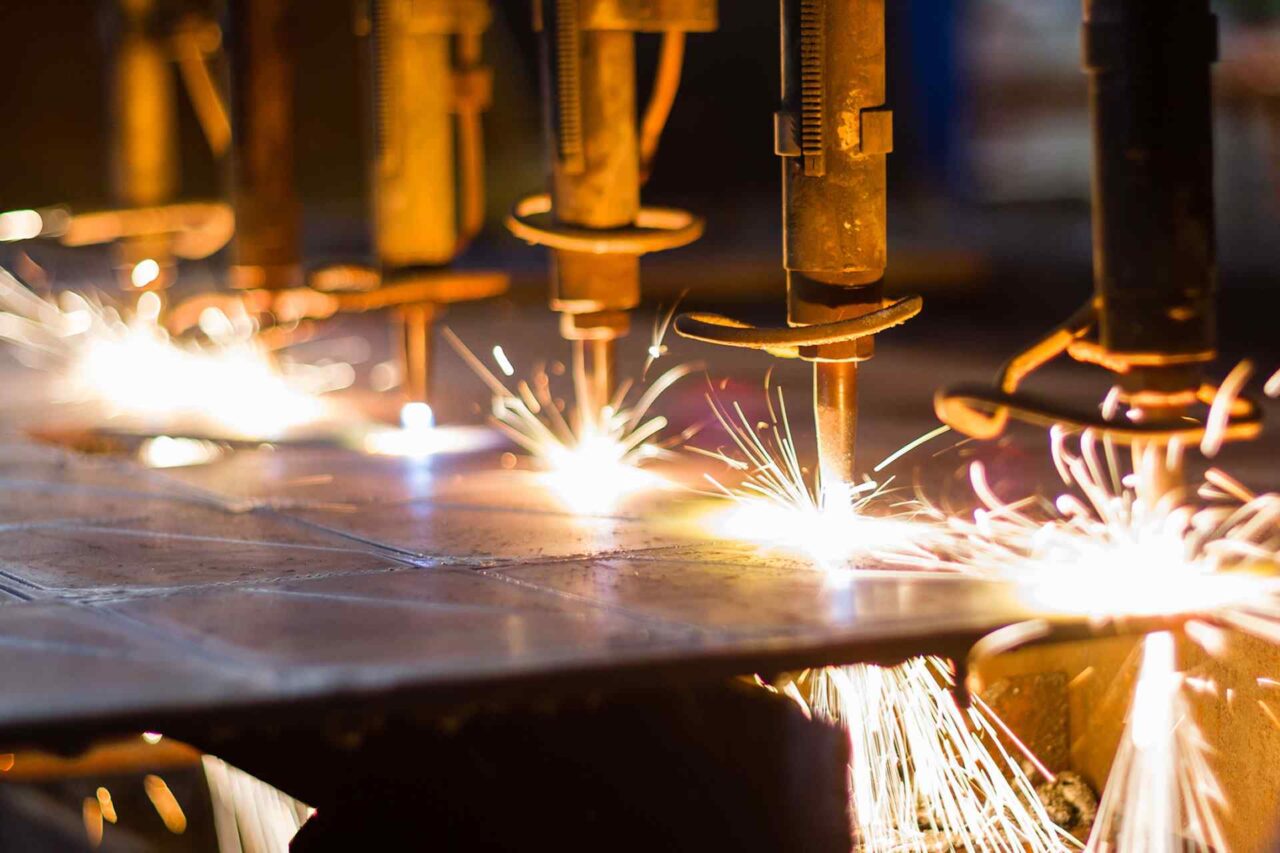
Fabrication vs Machining: Which Manufacturing Process is Right for Your Project?
When planning a manufacturing project, one of the most important decisions is choosing the right production method. Two of the most widely used processes are fabrication and machining. While both are essential in manufacturing, they serve different purposes and are selected based on factors such as design complexity, precision, material, budget, and production volume.
Understanding the differences between fabrication and machining can help businesses reduce costs, improve product quality, and ensure that components meet performance requirements.
In this guide, we’ll compare fabrication and machining, explain their advantages and limitations, and help you determine which process is best suited for your project.
What is Fabrication?
Metal fabrication is the process of creating products or structures by cutting, bending, shaping, and joining raw materials. Instead of removing material to create a part, fabrication transforms sheets, plates, pipes, or structural sections into finished products.
Fabrication commonly involves:
- Cutting
- Bending
- Welding
- Rolling
- Punching
- Drilling
- Assembly
- Surface Finishing
Fabricated products range from industrial platforms and storage tanks to handrails, structural frames, machinery bases, and architectural components.
What is Machining?
Machining is a subtractive manufacturing process where material is removed from a solid workpiece to create a highly accurate component. Modern machining is primarily performed using Computer Numerical Control (CNC) machines that produce parts with exceptional precision and repeatability.
Common machining operations include:
- CNC Milling
- CNC Turning
- Drilling
- Grinding
- Boring
- Thread Cutting
Machining is ideal for producing components that require tight tolerances, smooth finishes, and intricate geometries.
Fabrication vs Machining: Key Differences
| Feature | Fabrication | Machining |
|---|---|---|
| Manufacturing Method | Forms and joins materials | Removes material from a solid block |
| Primary Operations | Cutting, bending, welding | Milling, turning, drilling, grinding |
| Precision | Moderate | Very high |
| Tolerance | Standard industrial tolerances | Tight tolerances (often within microns) |
| Material Waste | Low | Higher due to material removal |
| Best For | Large structures and assemblies | Precision components |
| Cost | Generally lower for large structures | Higher for complex precision parts |
| Surface Finish | Depends on finishing process | Excellent finish directly from machining |
| Production Speed | Fast for fabricated assemblies | Fast for precision components using CNC |
Benefits of Fabrication
Fabrication is widely used because of its flexibility and cost-effectiveness.
Cost-Effective for Large Projects
Large steel structures and industrial equipment can be produced efficiently with fabrication techniques.
Suitable for Heavy-Duty Structures
Ideal for:
- Structural Steel Frames
- Platforms
- Conveyor Systems
- Industrial Supports
- Storage Tanks
- Pipe Systems
Flexible Design Options
Fabrication allows custom designs tailored to specific project requirements.
Faster Assembly
Prefabricated components can be assembled quickly on-site, reducing installation time.
Benefits of Machining
Machining offers unmatched precision and consistency.
High Accuracy
CNC machines produce parts with extremely tight tolerances, making them suitable for critical applications.
Excellent Surface Finish
Many machined components require little or no additional finishing.
Complex Geometries
Machining can create intricate features that would be difficult to achieve through fabrication alone.
Repeatability
Every part can be manufactured consistently, making machining ideal for production runs.
Applications of Fabrication
Fabrication is commonly used in industries that require large assemblies or structural components.
Construction
- Steel Buildings
- Bridges
- Staircases
- Handrails
- Platforms
Industrial Manufacturing
- Machine Frames
- Conveyor Systems
- Support Structures
- Tanks
Oil & Gas
- Pipelines
- Pressure Vessels
- Structural Supports
Power Plants
- Equipment Frames
- Pipe Assemblies
- Heavy Steel Structures
Applications of Machining
Machining is essential where precision is critical.
Aerospace
- Engine Components
- Turbine Parts
- Aircraft Brackets
Automotive
- Engine Blocks
- Transmission Parts
- Brake Components
- Shafts
Medical
- Surgical Instruments
- Orthopedic Implants
- Dental Components
Electronics
- Heat Sinks
- Connectors
- Precision Housings
Materials Used
Both fabrication and machining can work with a wide range of materials.
Common Fabrication Materials
- Mild Steel
- Stainless Steel
- Structural Steel
- Aluminum
- Copper
- Brass
Common Machining Materials
- Stainless Steel
- Aluminum
- Titanium
- Brass
- Bronze
- Tool Steel
- Engineering Plastics
Cost Comparison
The cost depends on the complexity, material, and production volume.
Fabrication
Lower cost for:
- Large components
- Heavy structures
- Welded assemblies
- Custom steel work
Machining
Higher cost due to:
- Precision tooling
- CNC programming
- Material removal
- Tight tolerance requirements
However, machining often reduces assembly issues and improves product reliability, making it cost-effective for high-precision applications.
Which Process Should You Choose?
Choose Fabrication If You Need:
- Structural steel work
- Heavy-duty equipment
- Large welded assemblies
- Industrial platforms
- Tanks
- Pipe systems
- Cost-effective large projects
Choose Machining If You Need:
- High precision
- Tight tolerances
- Smooth surface finishes
- Complex component designs
- Aerospace or medical parts
- Automotive precision components
Can Fabrication and Machining Be Used Together?
Absolutely. Many manufacturing projects combine both processes to achieve the best results.
For example, a heavy machinery frame may be fabricated using welded steel sections, while precision-machined components such as shafts, bearing housings, and mounting plates are added to ensure proper fit and performance.
Using fabrication and machining together provides:
- Strong structural integrity
- High dimensional accuracy
- Better assembly quality
- Improved durability
- Cost optimization
Future Trends in Manufacturing
Modern manufacturing is evolving through advanced technologies.
CNC Automation
Automated machining improves productivity and consistency.
Robotic Welding
Robots enhance welding speed, accuracy, and safety in fabrication.
Industry 4.0
Smart factories use connected machines, sensors, and data analytics to optimize production.
Laser Cutting
High-speed laser systems deliver cleaner cuts with minimal material waste.
AI-Powered Quality Inspection
Artificial intelligence helps detect defects early, improving overall product quality.
Hybrid Manufacturing
Many manufacturers now integrate fabrication, machining, and additive manufacturing to produce complex, high-performance components more efficiently.
Frequently Asked Questions (FAQs)
What is the main difference between fabrication and machining?
Fabrication shapes and joins raw materials to create assemblies, while machining removes material from a solid workpiece to produce highly accurate parts.
Which is more accurate: fabrication or machining?
Machining provides significantly higher precision and tighter tolerances than fabrication, making it ideal for components that require exact dimensions.
Is fabrication cheaper than machining?
For large structures and welded assemblies, fabrication is generally more cost-effective. Machining tends to be more expensive due to precision equipment, tooling, and material removal.
Can both processes be used together?
Yes. Many industrial projects combine fabricated structures with precision-machined components to achieve strength, durability, and accuracy.
Which industries use fabrication and machining?
Both processes are widely used in construction, automotive, aerospace, oil & gas, power generation, industrial manufacturing, medical equipment, and heavy engineering.
Conclusion
Fabrication and machining are both essential manufacturing processes, but they serve different purposes. Fabrication excels in creating strong, large-scale structures and welded assemblies, while machining delivers exceptional precision for complex and high-performance components.
The right choice depends on your project’s design, tolerance requirements, budget, material, and end-use. In many cases, combining fabrication and machining offers the best balance of strength, accuracy, efficiency, and cost, resulting in durable, high-quality products that meet demanding industrial standards.