The Complete Guide to Industrial Fabrication Services
The Complete Guide to Industrial Fabrication Services
Industrial fabrication is the backbone of modern manufacturing and infrastructure development. From structural steel for commercial buildings to precision-engineered components for heavy machinery, fabrication services play a vital role in creating durable, high-performance products across countless industries.
Whether you’re constructing a manufacturing facility, producing industrial equipment, or developing custom machinery, choosing the right fabrication process and partner is essential for ensuring quality, efficiency, and long-term reliability.
In this comprehensive guide, we’ll explain what industrial fabrication services are, the different fabrication processes, materials used, key benefits, industrial applications, and the latest trends shaping the future of fabrication.
What Are Industrial Fabrication Services?
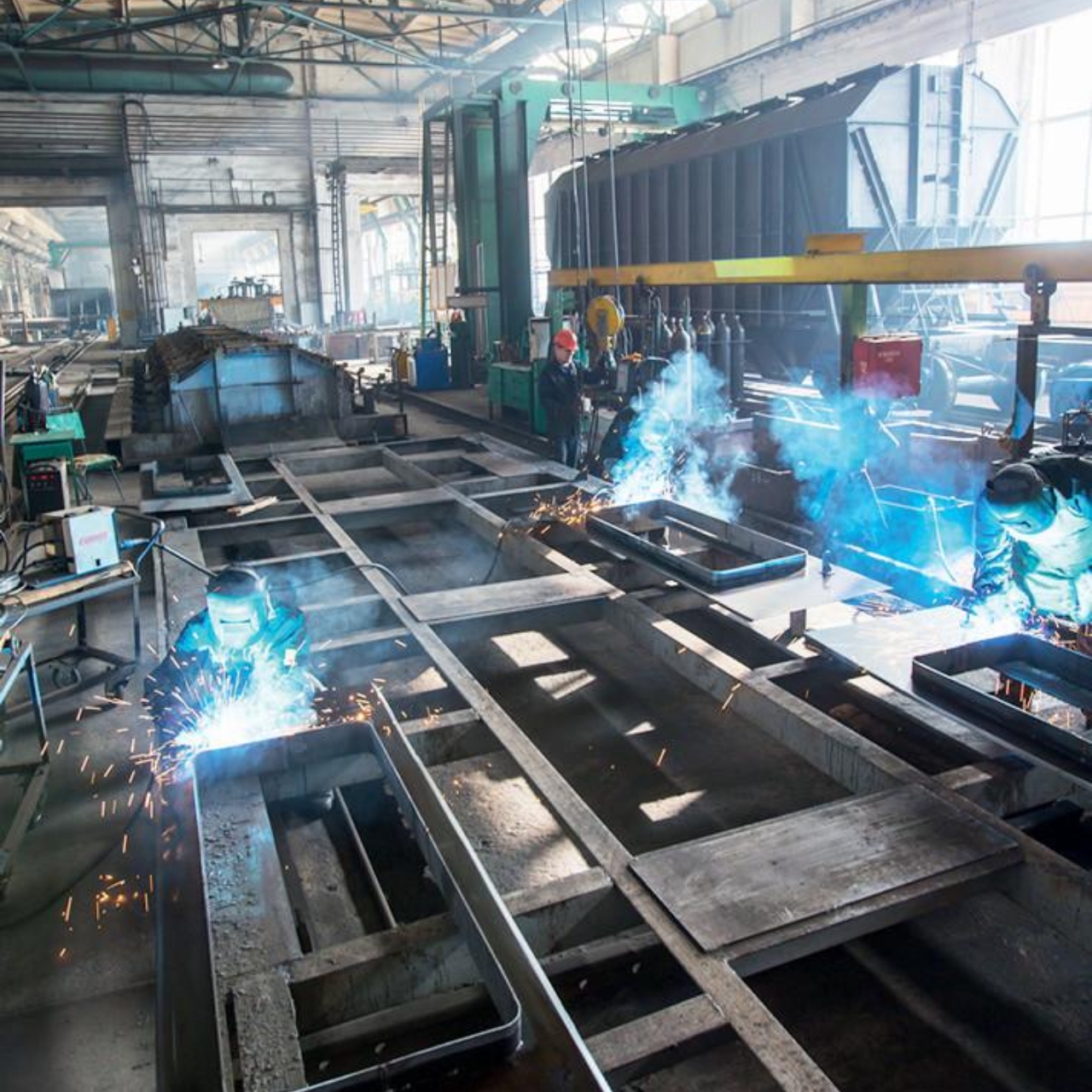
Industrial fabrication refers to the process of transforming raw metal materials into finished products, components, or structures through a combination of cutting, bending, welding, machining, assembly, and finishing techniques.
Unlike mass-produced standard components, industrial fabrication often involves custom manufacturing tailored to specific project requirements.
Typical fabrication services include:
- Metal Cutting
- Laser Cutting
- Plasma Cutting
- CNC Punching
- Sheet Metal Fabrication
- Structural Steel Fabrication
- Welding
- Bending and Forming
- Machining
- Assembly
- Surface Finishing
- Quality Inspection
Fabrication combines skilled craftsmanship with advanced manufacturing technologies to produce strong, accurate, and reliable products.
Types of Industrial Fabrication Services
1. Structural Steel Fabrication
Structural steel fabrication involves manufacturing steel components used in construction and industrial infrastructure.
Applications include:
- Industrial Buildings
- Warehouses
- Factory Structures
- Mezzanine Floors
- Platforms
- Staircases
- Handrails
- Pipe Supports
Structural steel offers excellent strength, durability, and long service life.
2. Sheet Metal Fabrication
Sheet metal fabrication transforms thin metal sheets into functional products using precision equipment.
Common processes include:
- Laser Cutting
- CNC Punching
- Bending
- Rolling
- Welding
- Riveting
Applications include electrical enclosures, cabinets, ducts, machine covers, and control panels.
3. Custom Metal Fabrication
Custom fabrication produces components based on customer specifications.
Examples include:
- Machine Frames
- Equipment Bases
- Industrial Guards
- Conveyor Structures
- Custom Brackets
- Fabricated Assemblies
Custom fabrication is ideal for unique industrial projects where standard products are not suitable.
4. Welding and Assembly
Welding permanently joins metal components into strong assemblies.
Common welding methods include:
- MIG Welding
- TIG Welding
- Arc Welding
- Spot Welding
- Robotic Welding
After welding, fabricated parts are assembled into complete products or systems.
5. Precision Fabrication
Precision fabrication combines fabrication with CNC machining and advanced inspection to produce highly accurate components.
Industries requiring precision fabrication include:
- Aerospace
- Medical
- Automotive
- Electronics
- Industrial Automation
Common Fabrication Processes
Industrial fabrication consists of several essential manufacturing processes.
Cutting
Raw materials are cut to size using:
- Laser Cutting
- Plasma Cutting
- Waterjet Cutting
- Saw Cutting
Bending
Press brakes and forming machines shape metal without removing material.
Welding
Metal components are permanently joined using appropriate welding techniques.
Machining
Precision machining creates accurate holes, slots, and finished surfaces where required.
Surface Finishing
Finished products may undergo:
- Powder Coating
- Painting
- Galvanizing
- Polishing
- Sandblasting
- Anodizing
These finishes improve corrosion resistance, durability, and appearance.
Materials Used in Industrial Fabrication
Fabrication services support a wide variety of metals and alloys.
Mild Steel
Widely used for structural applications due to its affordability and strength.
Stainless Steel
Offers excellent corrosion resistance and is commonly used in food processing, pharmaceutical, and chemical industries.
Aluminum
Lightweight and corrosion-resistant, making it ideal for transportation, aerospace, and electronics.
Carbon Steel
Suitable for heavy-duty industrial machinery and structural components.
Brass
Used for decorative, plumbing, and electrical applications.
Copper
Preferred for electrical conductivity and heat transfer applications.
Benefits of Industrial Fabrication Services
High Customization
Fabrication allows manufacturers to produce products tailored to exact customer requirements.
Improved Strength and Durability
Professionally fabricated structures are designed to withstand demanding industrial environments.
Cost-Effective Manufacturing
Custom fabrication reduces unnecessary material waste while improving production efficiency.
Faster Project Completion
Modern fabrication equipment and automated processes reduce manufacturing lead times.
Better Product Quality
Advanced fabrication technologies ensure consistent dimensions, strong welds, and reliable performance.
Scalability
Fabrication supports everything from one-off prototypes to large-scale production runs.
Industries That Use Industrial Fabrication
Industrial fabrication supports numerous industries worldwide.
Construction
- Steel Structures
- Bridges
- Warehouses
- Commercial Buildings
Manufacturing
- Machine Frames
- Production Equipment
- Conveyor Systems
Oil & Gas
- Pipelines
- Pressure Vessels
- Structural Supports
Energy
- Power Plant Equipment
- Turbine Structures
- Renewable Energy Systems
Automotive
- Chassis Components
- Equipment Fixtures
- Manufacturing Tooling
Food & Beverage
- Stainless Steel Tanks
- Conveyors
- Hygienic Processing Equipment
Technology Transforming Fabrication Services
Modern fabrication is becoming increasingly digital and automated.
CNC Machinery
Computer-controlled equipment delivers greater precision and repeatability.
Robotic Welding
Automated welding systems improve speed, consistency, and safety.
CAD/CAM Software
Digital design and manufacturing reduce errors and speed up production.
Industrial Automation
Automation optimizes fabrication workflows and minimizes manual intervention.
Artificial Intelligence (AI)
AI improves quality inspection, production planning, and predictive maintenance.
Industrial Internet of Things (IIoT)
Connected machines provide real-time monitoring and operational insights.
How to Choose the Right Industrial Fabrication Company
Selecting the right fabrication partner is crucial for project success.
Look for a company that offers:
- Industry experience
- Skilled engineering team
- Modern fabrication equipment
- Strong quality control systems
- Certified welding procedures
- Custom manufacturing capabilities
- On-time project delivery
- Technical support and after-sales service
A trusted fabrication partner ensures reliable products, efficient production, and long-term value.
Future Trends in Industrial Fabrication
The fabrication industry continues to evolve with new technologies.
Smart Factories
Digitally connected production systems improve efficiency and reduce downtime.
Sustainable Manufacturing
Companies are adopting eco-friendly processes, recyclable materials, and energy-efficient equipment.
Collaborative Robots (Cobots)
Cobots assist fabricators with repetitive tasks while improving workplace safety.
Additive Manufacturing Integration
3D printing complements traditional fabrication by enabling rapid prototyping and complex component production.
Digital Twins
Virtual production models allow manufacturers to optimize fabrication processes before production begins.
Frequently Asked Questions (FAQs)
What are industrial fabrication services?
Industrial fabrication services involve cutting, bending, welding, machining, assembling, and finishing metal materials to create custom products, equipment, and structures for industrial applications.
What materials are commonly used in fabrication?
Common materials include mild steel, stainless steel, aluminum, carbon steel, brass, and copper, depending on the project’s strength, corrosion resistance, and performance requirements.
Which industries use industrial fabrication?
Industries such as construction, manufacturing, automotive, aerospace, oil & gas, energy, food processing, and heavy engineering rely heavily on industrial fabrication.
What is the difference between fabrication and machining?
Fabrication focuses on forming and joining metal into structures and assemblies, while machining removes material from a workpiece to create precise dimensions and fine surface finishes.
How do I choose the right fabrication company?
Evaluate the company’s experience, technical expertise, equipment, quality certifications, project portfolio, customization capabilities, delivery performance, and customer support before making a decision.
Conclusion
Industrial fabrication services are essential for producing the structures, equipment, and components that power modern industries. By combining advanced fabrication techniques, precision engineering, skilled craftsmanship, and rigorous quality control, manufacturers can deliver durable, reliable, and cost-effective solutions for projects of all sizes.
As automation, robotics, AI, and smart manufacturing continue to transform the industry, businesses that partner with experienced fabrication companies will benefit from higher productivity, improved quality, reduced costs, and greater long-term success.